
call now on:
0333 567 2369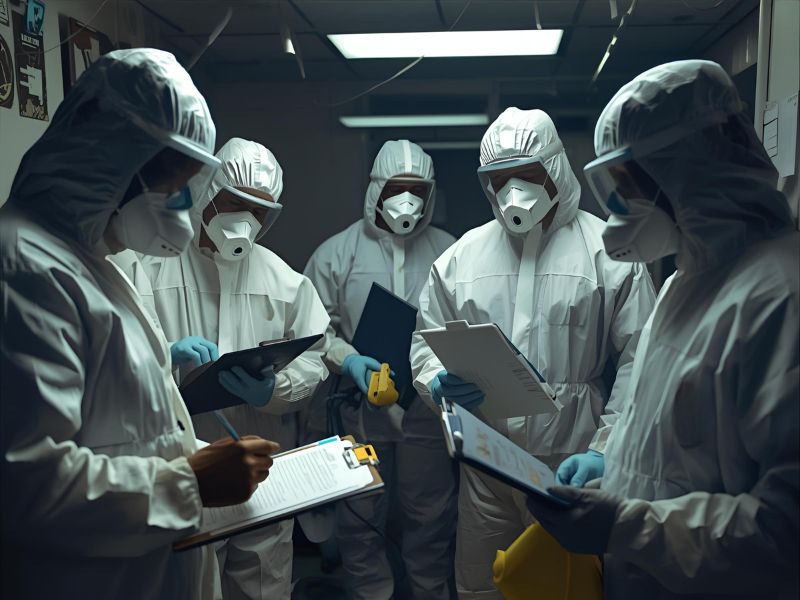
Starting a biohazard cleaning business involves obtaining specialist training and certifications, securing comprehensive insurance coverage, investing in essential equipment and personal protective equipment, registering your business legally, developing emergency response capabilities, and building relationships with key referral sources like property managers and funeral directors. The average startup cost typically falls between £15,000 and £40,000, but this growing crime scene cleanup business offers significant earning potential with single jobs ranging from £600 to £3,000.
Biohazard cleaning is one of the fastest-growing specialist cleaning niches, driven by stricter safety regulations, an ageing population, and increased awareness of infection control. This essential service involves the safe removal and disposal of biological contaminants that pose health risks to humans.
The cleaning industry extends far beyond what many people initially imagine when considering how to start a biohazard cleaning business. While crime scene cleanup often comes to mind first, around 70% of biohazard cleaning work is not crime-related. Instead, it frequently involves hoarder clean-outs, unattended deaths, hazardous waste disposal, and hazardous mould remediation. This diversity creates multiple revenue streams for cleaning businesses willing to develop the necessary expertise.
What makes this specialist industry particularly attractive is its resilience. While emotionally challenging, biohazard cleaning has one of the lowest failure rates among cleaning startups. The demand remains consistent regardless of economic conditions, and competition stays relatively low compared to general cleaning services. This stability, combined with the specialist nature of the work, allows for premium pricing that reflects the skills and risks involved.
The industry also benefits from high repeat business rates. Crime scene cleanup companies often report that over 60% of their jobs come through referrals from property managers, landlords, funeral directors, and local authorities. This relationship-based business model creates sustainable income once trust and reputation are established in the cleaning industry.
Proper training forms the foundation of any successful biohazard cleaning business. The work involves exposure to bloodborne pathogens, hazardous materials, and potentially dangerous situations that require specialized training to handle safely and effectively. Understanding how to start a biohazard cleaning business begins with comprehensive education about the cleaning process and regulatory requirements. For those asking how to become a biohazard cleaner, this stage of training is where the journey truly begins.
Crime Scene Cleaner Courses UK offers comprehensive biohazard cleaning training that covers all aspects of the industry. Our courses include proper handling of hazardous materials, decontamination procedures, safety protocols, and the use of specialised equipment. If you’ve been wondering how to get certified in biohazard cleaning, these courses provide the structured pathway needed to meet industry standards and client expectations. This formal training is essential for understanding the technical aspects of biohazard remediation and ensuring compliance with safety regulations.
Specialist certifications significantly boost client trust and business success. Many crime scene cleanup companies report that certified professionals secure contracts 50% faster than non-certified competitors. This advantage stems from clients' need for assurance that the work will be performed safely and effectively, particularly when dealing with sensitive trauma scenes or biohazardous waste.
The specialized training covers various scenarios you'll encounter in the field. From understanding the proper handling of bodily fluids to learning effective cleaning techniques for different types of contamination, comprehensive biohazard cleaning training prepares you for the realities of the job. Additionally, courses should include guidance on dealing with the emotional aspects of trauma cleaning, as this work can be psychologically demanding.
Ongoing professional development is equally important for biohazard cleaning professionals. Industry standards evolve, new essential equipment becomes available, and legal requirements may change. Staying current through additional formal training and industry associations ensures your crime scene cleanup business maintains its competitive edge and continues to operate safely and legally.
Establishing your biohazard cleaning business legally requires several important steps. Begin by registering your business with Companies House if you're forming a limited company, or with HM Revenue and Customs if operating as a sole trader. Choose a business structure that suits your situation and long-term goals for your own business.
You'll need to comply with various regulatory requirements specific to handling hazardous materials and biohazardous waste. The Control of Substances Hazardous to Health (COSHH) Regulations are particularly relevant, as they govern how you handle, store, and dispose of hazardous substances. Understanding these legal requirements isn't just about compliance; it's about protecting yourself, your employees, and your clients.
Waste carrier licensing is essential for legal hazardous waste removal. You'll need to register with the Environment Agency as a waste carrier, which allows you to transport hazardous waste to licensed disposal facilities. This registration demonstrates your commitment to proper waste management and environmental responsibility.
Federal regulations and local authority requirements may also apply to your operations. Some areas have specific licensing requirements for crime scene cleanup services, while others may have additional health and safety standards. Research the regulatory requirements in your operating area thoroughly, as non-compliance can result in significant fines or business closure.
Consider consulting with a solicitor who specialises in environmental law or waste management to ensure you understand all applicable regulations. This investment in professional advice can prevent costly mistakes and provide peace of mind as you build your biohazard cleanup operation.
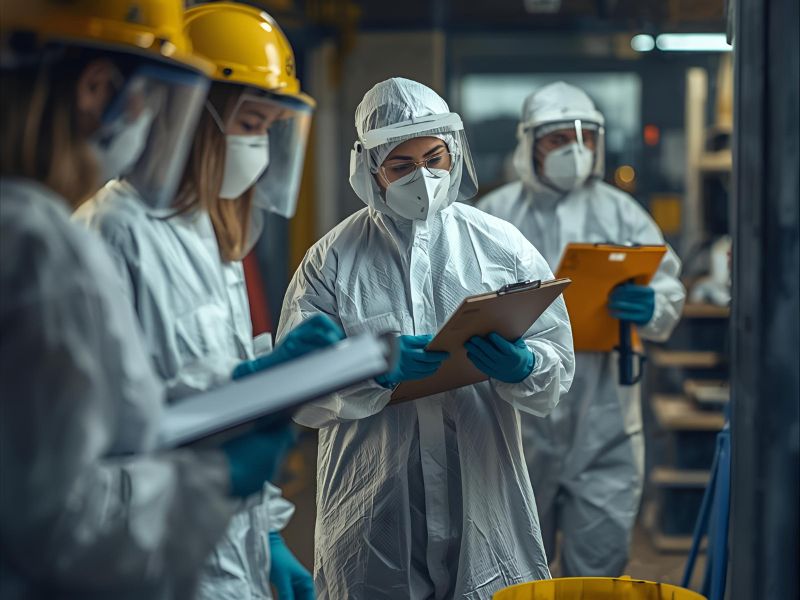
The right equipment is crucial for effective and safe biohazard cleaning. Your initial investment in quality essential equipment will directly impact your ability to complete jobs safely and efficiently, affecting both your company's reputation and your bottom line.
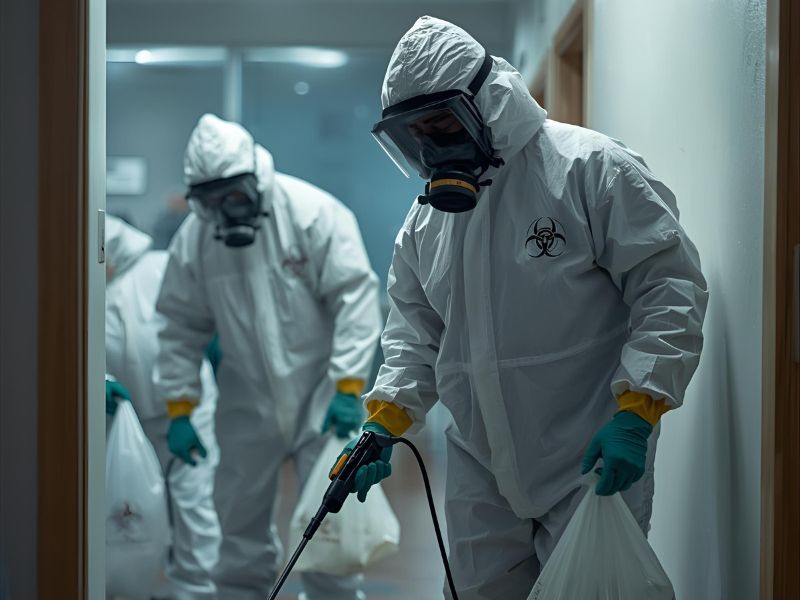
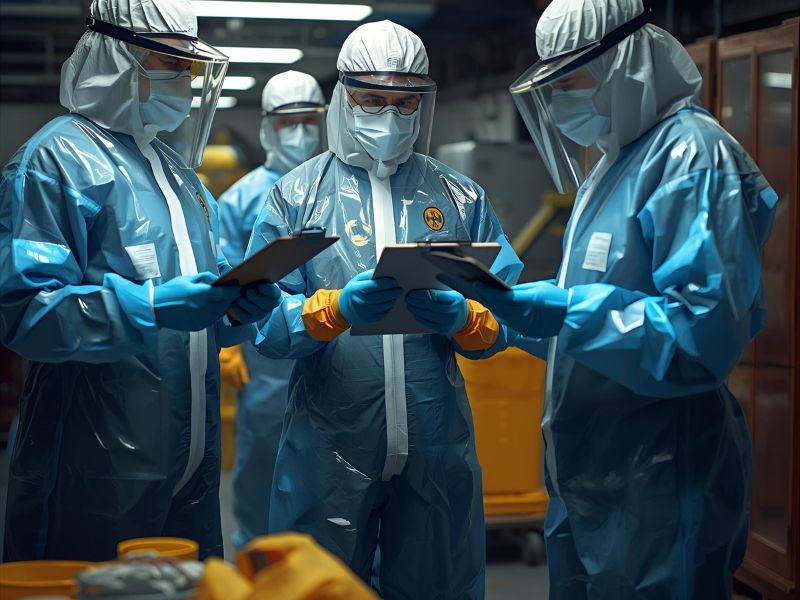
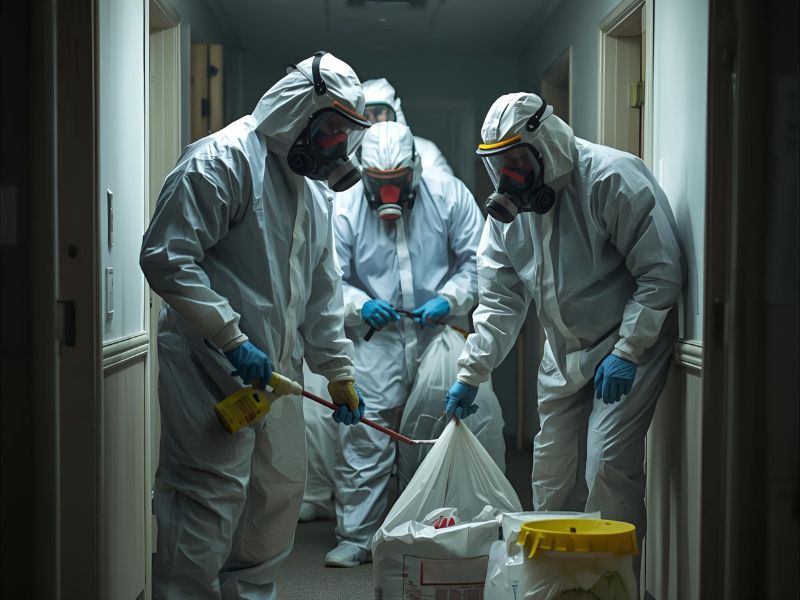
Personal protective equipment represents one of your most important investments. Full body suits, respirators, chemical-resistant gloves, and protective eyewear form the first line of defence against biological hazards. Personal protective equipment alone can cost thousands annually for a small team, but proper use dramatically reduces workplace incidents and liability claims. The safety of your team should never be compromised when handling dangerous materials.
Specialised equipment includes industrial-grade decontamination tools, air filtration systems, and chemical treatment solutions designed specifically for biohazard remediation. HEPA filtration units help control airborne contaminants, while specialised cleaning chemicals ensure effective decontamination of affected areas. Ozone generators can be valuable for odour elimination in certain trauma scene cleanup situations.
Transportation equipment requires careful consideration for crime scene cleanup services. You'll need vehicles capable of safely transporting equipment and contaminated waste while maintaining biosecurity standards. Some jobs may require mobile command units or specialised transport containers for hazardous materials.
Don't overlook the importance of proper storage and maintenance facilities. Your equipment needs secure, clean storage that allows for proper decontamination between jobs. This includes designated areas for cleaning and storing personal protective equipment, as well as secure storage for chemicals and specialised equipment used in biohazard cleanup.
Industry best practices suggest maintaining backup equipment whenever possible. If primary equipment fails during a job, having backup systems ensures you can complete the work safely and maintain client confidence.
Insurance requirements in biohazard cleaning are substantially higher than in most cleaning industries due to the high-risk nature of the work. Liability coverage often starts at £2 million, reflecting the potential consequences of accidents or inadequate decontamination. If you’ve ever wondered what insurance do I need for biohazard cleanup, this is the foundation of the answer.
Public liability insurance protects against claims arising from your work affecting third parties. This coverage is essential when working in occupied buildings or areas where contamination could spread beyond the immediate work zone. The specialist nature of biohazard cleaning means standard cleaning insurance policies are inadequate for this work.
Employers' liability insurance is mandatory if you employ others and provides protection against workplace injury claims. Given the hazardous nature of biohazard cleaning, this coverage is particularly important. Your insurance provider should understand the specific risks involved in trauma cleaning and hazardous materials handling.
Professional indemnity insurance protects against claims related to professional negligence or inadequate service delivery. If your work fails to meet required standards and results in continued contamination or health risks, this coverage provides essential protection.
Consider additional coverage for equipment, business interruption, and cyber liability if you store sensitive client information. The costs of comprehensive insurance coverage are significant but represent essential protection for your business and personal assets.
Work with insurance brokers who specialise in environmental or specialist cleaning industries. They understand the unique risks involved and can help structure appropriate coverage at competitive rates. Regular risk assessments and safety training can help maintain favourable insurance rates over time.
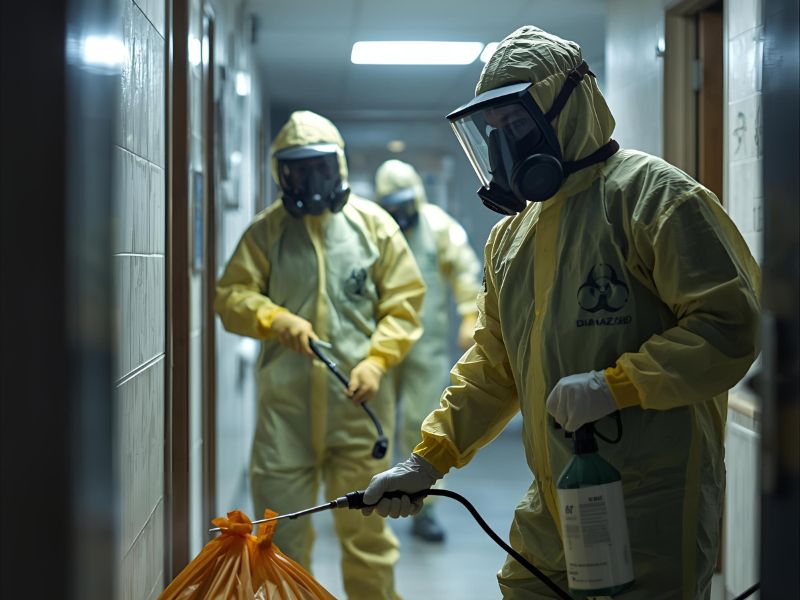
The ability to respond quickly to emergency situations sets successful crime scene cleanup companies apart from their competitors. Industry surveys suggest that companies offering 24/7 emergency response secure up to 40% more contracts than those with standard working hours.
Emergency response requires careful planning and resource allocation for start a biohazard cleaning operation. You need systems for receiving and triaging emergency calls, rapid mobilisation procedures, and the ability to assess situations quickly and accurately. This often means maintaining readiness outside normal business hours and having equipment prepared for immediate deployment.
Consider the types of emergencies you're most likely to encounter in crime scene cleanup. Crime scenes require immediate response to prevent further contamination and support law enforcement activities. Unattended deaths create time-sensitive situations where rapid intervention prevents more extensive contamination. Industrial accidents involving chemical spills may require immediate containment and cleanup using specialized training techniques.
Building relationships with law enforcement agencies and property management companies helps establish your business as a reliable emergency response provider. These organisations need trusted partners they can call when situations arise, and demonstrating reliability and professionalism builds these crucial relationships for cleanup services.
Invest in communication systems that ensure you can be reached at all times. This might include dedicated emergency phone lines, mobile alert systems, or partnership arrangements with answering services that understand your specialist industry. Quick response times often determine whether you secure emergency contracts for biohazard cleanup.
Emergency response also requires flexibility in staffing and equipment deployment. You may need to call in additional team members for large or complex jobs, and having pre-arranged agreements with qualified contractors can help manage variable demand in the cleaning industry.
Marketing a biohazard cleaning business requires sensitivity and professionalism, given the nature of the situations your clients face. Your marketing strategies should focus on building trust, demonstrating expertise, and establishing relationships with key referral sources.
Develop a professional website that clearly explains your crime scene cleanup services without sensationalising the work. Include information about your training, certifications, and experience, as well as contact information for emergency situations. Many potential clients will research crime scene cleanup companies online before making contact, so your web presence needs to convey competence and professionalism.
Target market development should focus on organisations most likely to need your specific services. Property managers deal with tenant deaths and contamination issues regularly. Funeral directors encounter families needing trauma scene cleanup. Insurance companies require reliable contractors for covered incidents. Local authorities may need emergency response services for public health situations involving biohazard cleanup.
Building relationships with these key referral sources requires consistent professional engagement. Attend industry events, provide educational resources about biohazard risks and proper handling, and maintain regular contact to stay top-of-mind when situations arise.
Consider joining industry associations and local business groups. These organisations provide networking opportunities and help establish your credibility within the business community. They also offer continuing education opportunities and keep you informed about industry trends affecting the specialist industry.
Competitive pricing strategies require careful balance. While this specialist industry allows for premium pricing due to its nature, clients often compare quotes from multiple providers. Understanding your costs thoroughly allows you to price competitively while maintaining healthy profit margins.
Word-of-mouth referrals remain the most effective marketing tool in this industry. Exceptional service delivery, professional handling of sensitive situations, and reliable emergency response build the reputation that generates repeat business and referrals.
Creating a solid business plan is essential for long-term success in biohazard cleaning. Your financial projections should account for both the startup costs and the ongoing expenses associated with maintaining a specialist cleaning operation.
Initial startup costs typically range from £15,000 to £40,000, depending on the scale of your operation and equipment choices for your crime scene cleanup business. This investment covers training, certifications, initial equipment purchases, insurance deposits, vehicle preparation, and working capital for the first few months of operation.
Revenue potential in biohazard cleaning can be substantial for those who understand how to start a biohazard cleanup operation. A single trauma or crime scene cleanup job can generate between £600 and £3,000, depending on the scope and severity of the work. However, job frequency can be irregular, making financial planning challenging for new cleaning businesses.
Develop multiple revenue streams to create more consistent income. In addition to emergency response work, consider offering regular service offerings to medical facilities, mould remediation services, or specialised cleaning for industrial clients. This diversification helps balance the irregular nature of trauma scene work.
Consider your pricing structure carefully. Factors affecting pricing include the extent of contamination, accessibility of the affected area, time requirements, disposal costs, and emotional difficulty of the work. Many crime scene cleanup companies charge hourly rates plus materials and disposal fees, while others prefer flat-rate pricing for specific types of jobs.
Build relationships with financing partners who understand your specialist industry. Equipment financing can help manage cash flow when purchasing expensive essential equipment. Some insurance companies offer payment plans that spread annual premiums across monthly payments, helping with cash flow management. with cash flow management.
Plan for business growth carefully. Expanding too quickly can strain resources and compromise service quality, while growing too slowly may miss market opportunities. Consider factors like staff training time, equipment investments, and insurance adjustments when planning expansion.
Safety protocols form the foundation of successful biohazard cleaning operations. The nature of this work exposes you and your team to serious health risks that require comprehensive safety measures and strict compliance with established procedures.
Implementing strict health and safety protocols protects everyone involved in your operations. This includes proper use of personal protective equipment, decontamination procedures for equipment and personnel, and safe disposal methods for all biohazardous materials. Regular safety training ensures all team members understand and follow these protocols consistently.
Ensure safety through comprehensive risk assessments for each job. Different situations present different hazards, from bloodborne pathogens in trauma scenes to chemical hazards in industrial accidents. Your risk assessment procedures should identify potential hazards and establish appropriate safety measures before work begins.
Handling hazardous materials requires specific knowledge and procedures. Understanding the properties of different biological and chemical contaminants helps determine appropriate cleaning methods and safety precautions. This knowledge also helps you communicate effectively with clients about the work required and expected outcomes.
Safe disposal methods are crucial for legal compliance and public health protection. All biohazardous materials must be disposed of through licensed waste management facilities that can handle contaminated materials safely. Maintaining proper documentation of waste disposal protects your business and demonstrates compliance with environmental regulations.
Regular health monitoring for team members exposed to biohazards may be required depending on the types of work you perform. Some clients or insurance providers may require evidence of health monitoring programmes, particularly for ongoing contracts with healthcare facilities or industrial clients.
Stay current with industry standards and regulatory changes. Health and safety regulations evolve, and new risks may be identified as the industry develops. Participating in industry associations and continuing education helps ensure your procedures remain current and compliant.
Starting a successful biohazard cleaning business requires proper foundation training and ongoing support. At Crime Scene Cleaner Courses UK, we provide comprehensive biohazard cleaning training that prepares you for all aspects of this challenging but rewarding industry.
Our courses cover everything from basic safety protocols to advanced decontamination techniques, business development strategies, and regulatory compliance requirements. We understand the unique challenges of starting a biohazard cleaning business and provide the practical knowledge you need to succeed.
The biohazard cleaning industry offers significant opportunities for entrepreneurs willing to invest in proper training and professional development. With consistent demand, premium pricing potential, and relatively low competition, this essential service provides a foundation for building a sustainable and profitable business.
Whether you're looking to start a new career or expand your existing cleaning business into specialist services, proper training is your first step toward success. Our experienced instructors provide hands on training that combines theoretical knowledge with practical skills, preparing you for the realities of biohazard cleaning work.
Ready to start your journey in the biohazard cleaning industry? Contact Crime Scene Cleaner Courses UK today for a free quote on our comprehensive training programmes. Let us help you build the knowledge and skills needed to establish a successful biohazard cleaning business that serves your community while providing financial security for your future.