
call now on:
0333 567 2369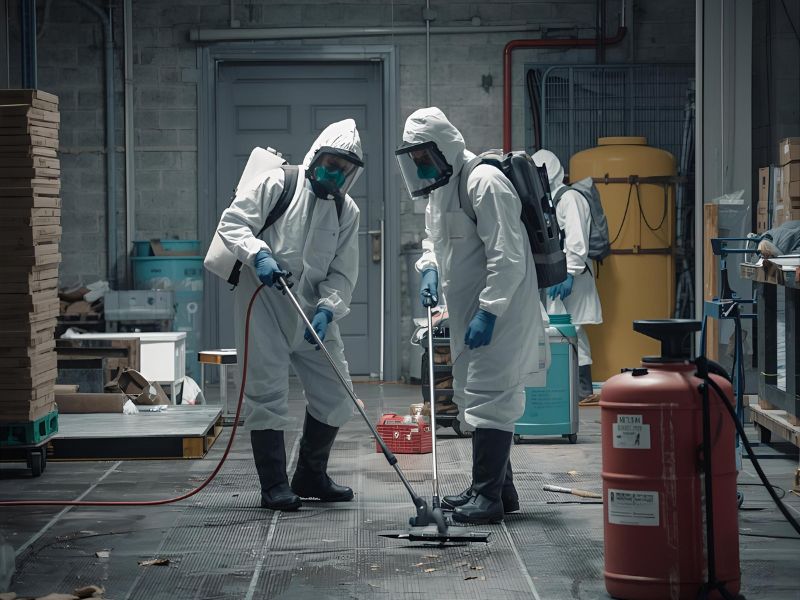
The best paid cleaning jobs in the UK include crime scene cleaners earning £30-£50 per hour, biohazard cleaners making £40,000+ annually, industrial cleaners in chemical plants earning £35,000-£45,000, and high-rise window cleaners earning £150-£200 per day. These specialist roles pay two to three times more than standard domestic cleaning because they require additional training, equipment, and involve higher risks.
The cleaning industry offers a wide range of opportunities, but not all cleaning jobs are created equal when it comes to pay rates. Standard domestic cleaning typically pays £15-£18 per hour (only slightly above minimum wage), while commercial cleaning offers slightly better rates. However, specialist cleaning roles command premium rates because they require additional training, specialised equipment, and often involve health and safety risks that most people prefer to avoid.
Specialist cleaning roles can pay two to three times more than standard domestic or office cleaning because of the risks, training, and equipment involved. Companies are willing to pay higher rates for cleaners who can handle dangerous materials, work in hazardous environments, or provide services that require specific qualifications.
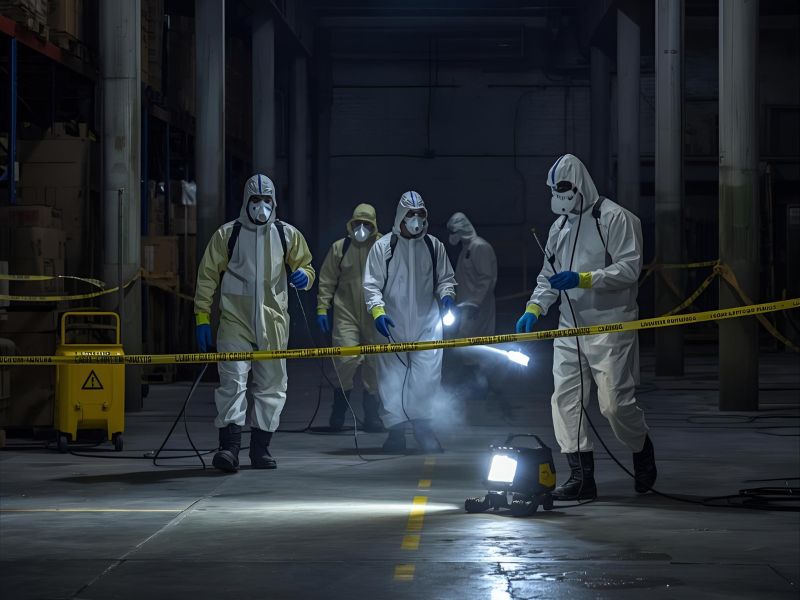
Crime scene cleaning represents one of the highest-paid areas in the cleaning industry. These professionals clean up after traumatic events, accidents, and crime scenes where biological contamination has occurred. For those wondering how much do crime scene cleaners make, the work requires strong emotional resilience and extensive training in handling biohazardous materials.
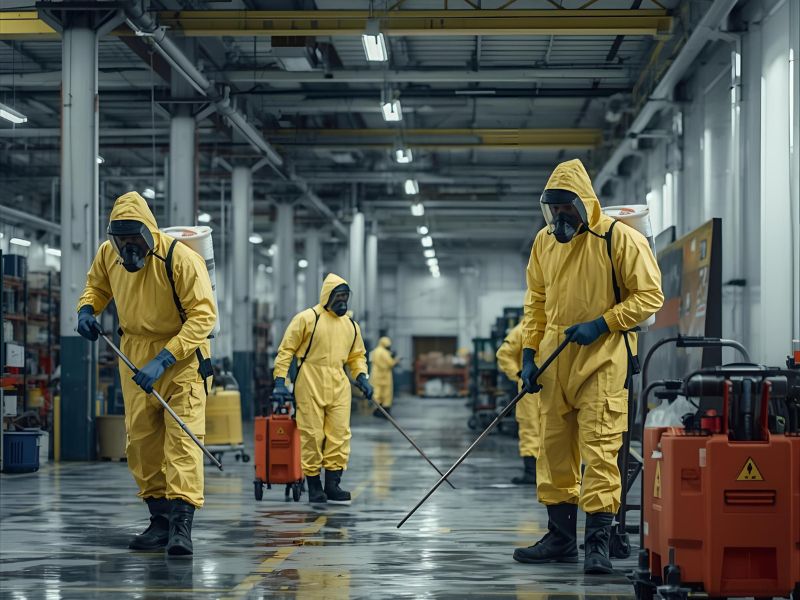
Biohazard and trauma cleaning ranks among the highest paid, with many companies charging £30-£50 per hour for crime scene, trauma, and hazardous waste clean-ups. Crime scene cleaners must complete a specialised crime scene cleanup course covering infection control procedures and handling of contaminated materials. They work on a self-employed basis or for specialist companies, often being called out at short notice to deal with emergency situations.
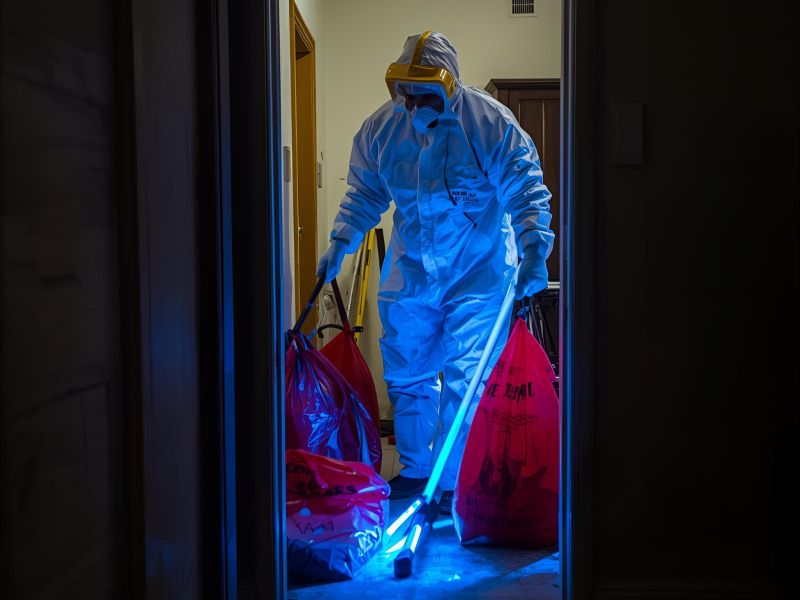
After death cleaning services, also known as unattended death cleaning, require similar skills to crime scene cleaning. These professionals clean properties where someone has died and decomposition has occurred. The work involves removing contaminated materials, sanitising affected areas, and eliminating odours using professional equipment and cleaning materials.
This type of work often involves deep cleaning of affected areas and may require the removal and replacement of flooring, drywall, and other structural elements. Cleaners in this field typically earn similar rates to crime scene cleaners, with experienced professionals commanding premium rates for their expertise.
Biohazard cleaners handle a broader range of contaminated environments, including hospitals, laboratories, and industrial sites where dangerous substances may be present. These roles require comprehensive knowledge of industry regulations and infection control procedures. For those asking how much is a biohazard cleanup salary in the UK, many positions offer competitive pay alongside additional benefits such as free parking, in-work perks, and opportunities for career development.
Many biohazard cleaning positions offer great pay and additional benefits such as free parking, in work benefits, and opportunities for career development. The work often involves cleaning multiple sites and maintaining high standards across different environments.
Mould removal specialists address serious health hazards in residential and commercial properties. This work requires understanding of different mould types, proper containment procedures, and use of specialised equipment to prevent spore spread during removal.
Professional mould remediation technicians typically earn £20-£35 per hour, with experienced specialists commanding higher rates. The work often involves working in confined spaces and requires proper respiratory protection. Many companies provide their own cleaning supplies and equipment, making this an attractive option for those who prefer not to invest in expensive gear.
Industrial cleaning is another top earner, particularly in sectors like oil, chemical plants, and manufacturing, where annual salaries can exceed £35,000-£45,000 for experienced staff. These roles involve cleaning heavy machinery, removing industrial waste, and maintaining cleanliness standards in manufacturing environments.
Industrial cleaners often work as part of cleaning teams and may specialise in specific types of facilities. The work requires knowledge of safety procedures and ability to operate specialised cleaning equipment. Many positions offer regular clients and stable hours per week, typically 40+ hours per week with opportunities for overtime.
Kitchen extraction and ductwork cleaning, required by law for fire safety, is one of the most in-demand niches with many contractors charging £25-£40 per hour. This work involves cleaning commercial kitchen ventilation systems to prevent grease buildup and fire hazards.
The rapid growth in the food service industry has created steady demand for these services. Cleaners typically work on their own schedule and can build up a base of regular clients including restaurants, hotels, and commercial kitchens.
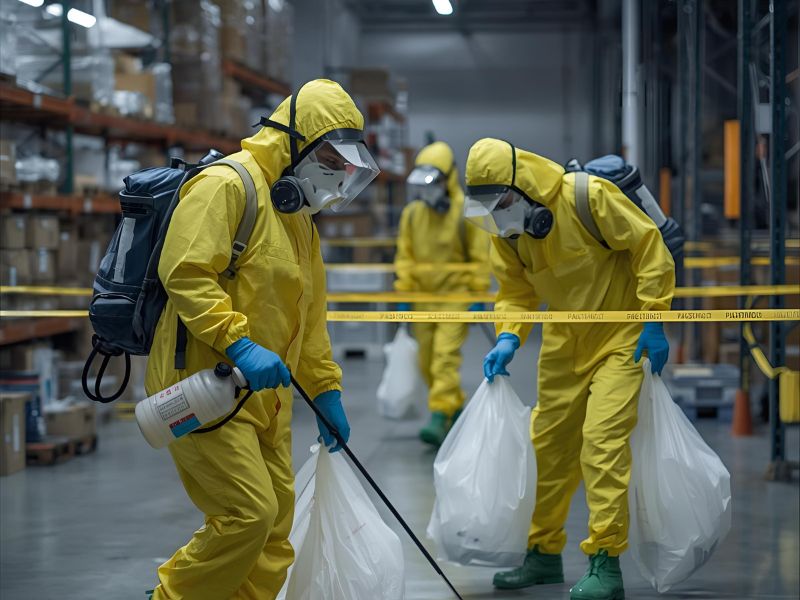
Hazardous waste and asbestos removal is one of the best paid areas, with qualified technicians in the UK often making £40,000+ per year, reflecting the health risks and strict regulations. Asbestos removal requires specific licensing and extensive safety training.
Workers must complete formal training programs and obtain certification before handling asbestos-containing materials. The work involves wearing protective equipment and following strict containment procedures to prevent fibre release.
Confined space cleaning, such as tank or silo cleaning, often pays £20-£35 per hour because of the specialist safety training required. This work involves cleaning industrial storage tanks, silos, and other confined spaces where normal access is limited.
Cleaners must complete confined space entry training and work with safety equipment including breathing apparatus and communication systems. The work is physically demanding but offers excellent pay rates due to the specialised nature and safety requirements.
High-rise window cleaning can be surprisingly lucrative, with rope-access specialists earning £150-£200 per day, and even more in major cities like London. This work requires specific training in rope access techniques and safety procedures for working at height.
Many high-rise window cleaners work as self employed contractors, allowing them to set their own rates and choose their clients. The work involves regular maintenance contracts with office buildings, hotels, and residential complexes.
A fast-growing sector is solar panel cleaning, which combines safety training with technical know-how, and pays a premium due to the height and delicate equipment involved. As more properties install solar panels, demand for specialist cleaning services continues to grow.
Solar panel cleaners need understanding of electrical systems and proper cleaning techniques that won't damage sensitive equipment. The work often involves working at height and requires appropriate safety equipment and training.
Medical and laboratory cleaning pays more than general healthcare cleaning, as staff need extra training in infection control and handling of clinical waste. These roles are available in hospitals, research facilities, pharmaceutical companies, and private medical practices.
Cleaners must understand different types of medical waste, proper disposal procedures, and contamination control methods. Many positions offer stable employment with regular hours and additional benefits. The work requires attention to detail and ability to maintain hygiene standards in sensitive environments.
House cleaning jobs represent the entry level of the cleaning industry, typically paying £15-£18 per hour, only slightly above minimum wage. These roles involve cleaning private homes on a regular basis, usually weekly or fortnightly visits. While the pay is lower than specialist cleaning, house cleaning jobs offer valuable experience and flexible working arrangements.
Many cleaners start with house cleaning jobs to build experience and develop regular clients before moving into higher-paid specialisations. The work involves basic domestic cleaning tasks and requires reliable transportation to travel between different private homes. Building a good reputation can lead to word-of-mouth referrals and opportunities to increase rates.
Cleaning private homes offers more personal relationships with clients compared to commercial work, but generally pays less than specialist or commercial cleaning roles. Rates typically range from £15-£20 per hour, depending on location and client requirements. The work often involves cleaning bathrooms, kitchens, bedrooms, and living areas on a regular schedule.
Private homes cleaning can provide steady income for those who build a reliable client base. However, the work is less lucrative than specialist cleaning because it requires minimal training and equipment. Many cleaners use this as a stepping stone to develop skills and save money for training in higher-paid specialisations.
While cleaning bathrooms is part of most domestic cleaning roles, specialists who focus on deep bathroom cleaning and restoration can earn higher rates. This work involves dealing with mould, limescale, and hygiene issues that require specific products and techniques.
Bathroom cleaning specialists typically earn £20-£25 per hour, particularly when dealing with problem bathrooms that require restoration work. The higher rates reflect the unpleasant nature of the work and the expertise needed to achieve professional results in challenging conditions.
Cleaning communal areas in apartment buildings, office complexes, and public facilities typically pays slightly more than domestic cleaning but less than specialist roles. Rates generally range from £16-£22 per hour, depending on the type of facility and cleaning requirements.
This work involves maintaining shared spaces like lobbies, stairwells, lifts, and communal bathrooms. The pay reflects the need for consistency and reliability, as these areas receive high traffic and require regular attention. Many positions offer part time roles with flexible hours, making them suitable for those seeking work-life balance.
Some niche services like pigeon guano removal or pest-related cleaning may sound unappealing, but because few people want to do them, cleaners can command premium rates of £30+ per hour. This work involves cleaning up after pest infestations and removing contaminated materials.
The work requires understanding of disease transmission risks and proper protective equipment. Many pest control companies subcontract cleaning work to specialists who can handle the associated health risks.
Emergency response cleaning involves rapid deployment to deal with flooding, chemical spills, or other urgent situations. These services command premium rates due to the urgent nature and potential risks involved.
Cleaners may be called out at short notice and need to be available for emergency callouts. The work often involves working in challenging conditions and requires flexibility in schedule and location.

Many of the best cleaning jobs offer opportunities to become your own boss and work on a self employed basis. This allows experienced cleaners to set their own rates and choose their clients. Building a business requires developing reliable client relationships and maintaining high standards of service.
Self-employed cleaners often start by working for established companies to gain experience and training before branching out independently. Having your own business allows for greater earning potential but requires business skills and financial management.
Most high-paid cleaning roles require additional training beyond basic cleaning experience. This may include health and safety certifications, industry-specific training, or equipment operation qualifications. Many employers provide professional training or support staff in learning how to get certified in biohazard cleaning and obtaining necessary certifications.
Investing in proper training opens doors to better-paid opportunities and demonstrates commitment to maintaining professional standards. Some certifications need regular renewal to stay current with industry regulations.
Higher-paid cleaning roles often require specialised equipment and cleaning materials. Some companies provide these, while others expect cleaners to supply their own. Understanding equipment costs and maintenance is important when considering these career paths.
Quality equipment improves efficiency and results, potentially leading to better client relationships and higher rates. However, initial investment costs should be factored into financial planning.
Pay rates vary significantly across different regions of the UK. Areas like London, west midlands, and north london typically offer higher rates due to increased cost of living and demand for services. Rural areas may offer fewer opportunities but potentially less competition.
Urban areas generally offer more diverse opportunities and higher volumes of work, while rural areas may provide opportunities for specialists willing to travel to multiple sites. Understanding local market conditions helps in career planning and rate setting.
At the top end, managers or owners of specialist cleaning businesses can earn £60,000-£100,000+ annually, particularly if they run teams handling biohazards, asbestos, or large-scale industrial contracts. Career progression often involves developing expertise in specific areas and building a reputation for quality work.
Many successful cleaning business owners started as individual cleaners and gradually built their operations by hiring additional staff and expanding their service offerings. This path requires business development skills alongside technical expertise.
Starting salaries in specialist cleaning typically begin above minimum wage, with experienced cleaners earning significantly more based on their skills and reputation. Many roles offer opportunities for regular pay increases based on performance and additional qualifications.
When considering which cleaning specialisation to pursue, factor in your comfort level with different types of work, willingness to undergo training, and financial goals. Some areas like crime scene cleaning require strong emotional resilience, while others like high-access work need physical fitness and comfort with heights.
Research local demand for different services and consider starting with roles that offer professional training and support. Building experience in one area often opens doors to related specialisations and higher-paid opportunities.
Consider the long-term sustainability of different career paths and potential for business development. Some areas offer steady, reliable work with regular clients, while others may involve more variable income but higher hourly rates.
For those interested in pursuing rewarding career opportunities in specialist cleaning, start by researching companies in your area that offer training and support. Many employers provide initial biohazard cleaning training and equipment, making it easier to enter these fields without large upfront investments.
Consider contacting local cleaning companies to discuss opportunities and training programs. Many are willing to hire motivated individuals and provide on-the-job training in specialist techniques and safety procedures.
Building a successful career in cleaning requires dedication to maintaining high standards, continuous learning, and professional development. The industry offers genuine opportunities for career advancement and financial success for those willing to develop specialist skills.
Ready to explore opportunities in specialist cleaning? Crime Scene Cleaner Courses UK offers comprehensive training programs to help you enter this rewarding field. Contact us today for your free quote and discover how we can help you build a successful career in specialist cleaning services.