
call now on:
0333 567 2369
Biohazard cleanup professionals in the UK typically earn between £20-£50 per hour, with annual salaries ranging from £40,000 to £70,000+ for full-time positions. Entry-level technicians start around £20-£25 per hour, while experienced specialists and those working in high-demand areas like London can command £35-£50+ per hour.
The biohazard cleaning industry offers competitive salaries that reflect both the specialized nature of the work and the significant health and safety risks involved. These roles require extensive biohazard cleaning training, proper certification, and the emotional resilience to handle traumatic scenes.
Biohazard cleaners, also known as trauma scene cleaners or specialist biohazard cleaners, handle the cleanup of scenes contaminated with blood, bodily fluids, and other potentially infectious materials. This work goes far beyond standard cleaning services and requires specialized equipment, training, and certification. For those researching how to start a biohazard cleaning business, understanding the scope of these responsibilities is an essential first step.
Professional crime scene cleaners work in various settings including crime scenes, accident sites, industrial properties, and locations where traumatic events have occurred. The job requires both technical expertise in handling hazardous materials and strong mental fortitude to cope with challenging situations.
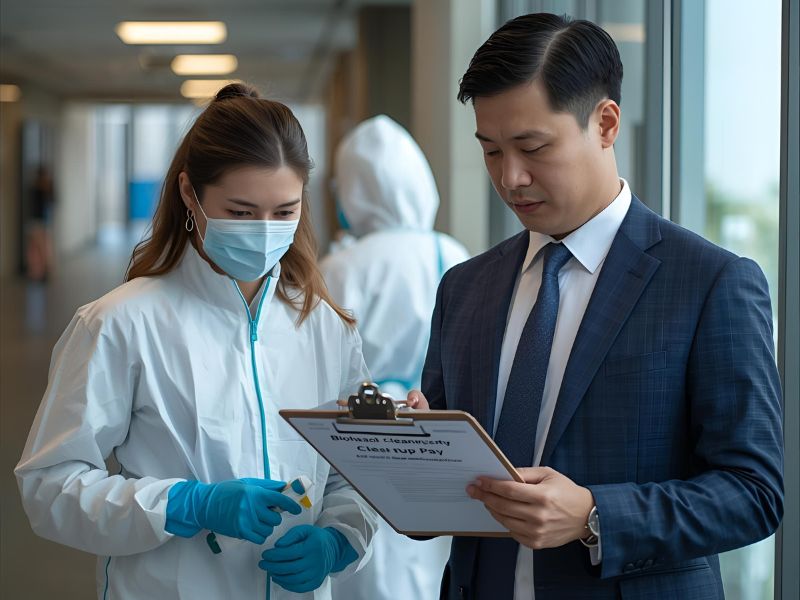
New technicians entering the biohazard cleaning industry typically start at £20-£25 per hour. These positions require completion of full training programs and successful police clearance applications. Entry-level workers learn safety protocols, proper use of personal protective equipment, and basic biohazard cleaning requirements under close supervision.
With experience, biohazard cleaning technicians can earn £25-£35 per hour. These professionals can independently carryout biohazard cleanup operations and may take on additional responsibilities such as training new staff or managing specific job sites. Their enhanced skill set and proven track record justify higher compensation.
Senior biohazard cleaners and those with specialized certifications can command £35-£50+ per hour. These roles often involve complex cleanup scenarios, emergency response situations, or work in contaminated environments that require advanced expertise. Many employers offer competitive salaries to retain experienced staff in this demanding field.
Job location significantly impacts earning potential in the biohazard cleaning industry. Major urban areas typically offer higher wages to attract qualified professionals.
London and surrounding areas offer the highest rates, with experienced technicians earning £40-£50+ per hour due to higher living costs and increased demand for services. Manchester, Birmingham, and other major cities also provide above-average compensation packages.
Rural areas may offer lower hourly rates but often provide other benefits such as company vehicle usage, with motoring costs covered by employers. Some cleaning business operations in smaller markets offset lower base pay with bonuses or additional responsibilities.
Many biohazard cleaners receive premium pay for emergency call-outs, weekend work, or overnight assignments. These situations can push effective hourly rates to £60-£80+ per hour, significantly boosting annual earnings for those willing to work unsociable hours.
Employers typically provide comprehensive insurance coverage given the nature of the work. For those asking what insurance do I need for biohazard cleanup, this includes coverage for potential exposure to bloodborne pathogens and other hazardous materials. Many employers also offer health and safety benefits beyond the minimum wage requirements.
Companies often invest heavily in ongoing training for their teams. Full training programs, certification updates, and specialized skill development are usually provided at no cost to employees, adding significant value to the employment package.
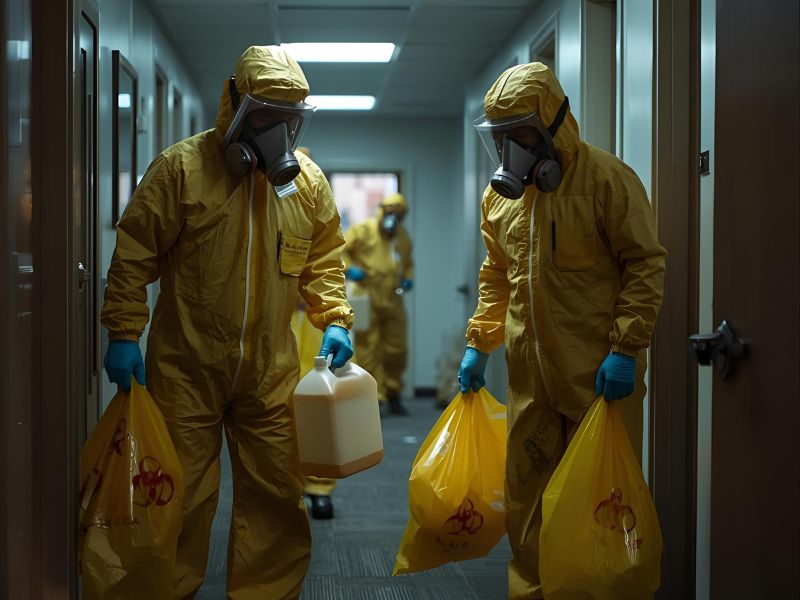
Success in biohazard cleaning requires proper certification and extensive training. Workers must understand health and safety regulations, proper handling of cleaning equipment, and protocols for dealing with various types of contamination. For anyone exploring how to become a biohazard cleaner, mastering these core skills is the foundation of a successful career, and knowing how to get certified in biohazard cleaning is a crucial step in the process.
A valid driving license is typically required, as is a DBS certificate for background checks. The job description usually emphasizes the need for punctual hardworking individuals who can handle the physical and emotional demands of the role.
The work requires emotional resilience and a strong stomach for difficult scenes. Workers must maintain professionalism while protecting public health and well being. Sensitive situations require individuals who can approach their work with respect and discretion.
The biohazard cleaning industry offers various paths for career advancement. Experienced technicians may progress to supervisory roles, start their own cleaning business, or specialize in particular types of cleanup work. For those exploring what are the best paid cleaning jobs, biohazard cleaning consistently ranks among the top due to the specialist skills and certifications required.
Many employers actively look out for dedicated team members who show potential for advancement. A fast growing team environment often provides opportunities to gain experience in different aspects of the business, from client relations to specialized cleaning techniques.
The biohazard cleaning industry continues to grow as awareness of proper cleanup procedures increases. Many employers in this specialised field report steady demand for qualified professionals.
Employment opportunities exist with established cleaning services companies, specialized trauma cleanup firms, and as independent contractors. The vital role these professionals play in protecting public health ensures continued demand for their services.
Several factors influence earning potential in biohazard cleanup:
Location and demand: Urban areas typically offer higher rates than rural locations.
Experience level: Proven experience in handling hazardous materials and trauma scenes commands premium rates.
Availability for emergency work: Willingness to work irregular hours and respond to urgent calls significantly increases earning potential.
Additional certifications: Specialized training in particular types of biohazard cleanup can lead to higher compensation.
Employment type: Working directly for established companies versus independent contracting affects both base pay and benefits.
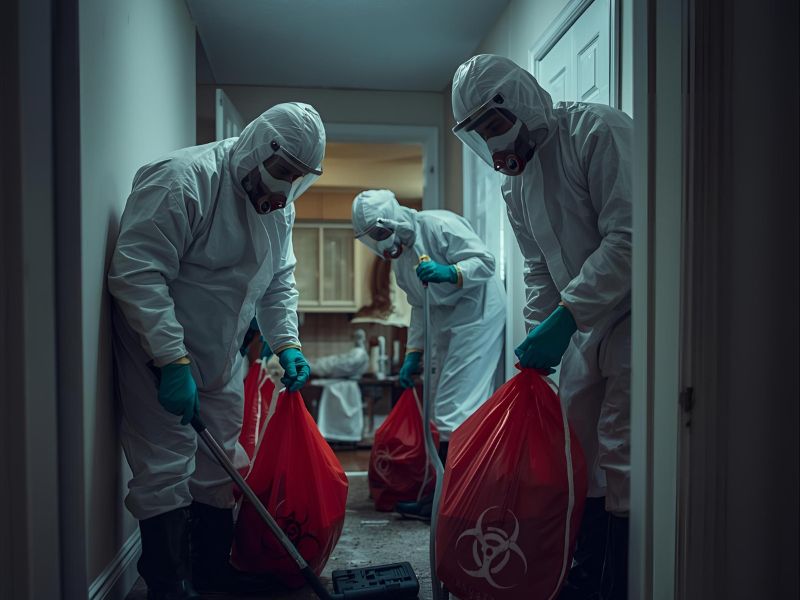
Biohazard cleanup work presents unique challenges that justify higher compensation compared to standard cleaning roles. Workers regularly encounter traumatic scenes and must maintain professional standards while dealing with emotionally difficult situations.
The physical demands include working in personal protective equipment for extended periods and handling specialized cleaning equipment. Safety protocols must be strictly followed to prevent exposure to hazardous materials.
Despite these challenges, many professionals find the work rewarding, knowing they provide an essential service that helps families and communities during difficult times.
Those interested in entering this field should research training opportunities and certification requirements. Many established companies provide comprehensive training programs for new hires.
Key responsibilities typically include responding to emergency calls, following strict safety protocols, and maintaining equipment. Successful candidates demonstrate reliability, attention to detail, and the ability to work effectively as part of a team.
Ready to explore opportunities in biohazard cleanup? Crime Scene Cleaner Courses UK offers comprehensive training programs to help you start your career in this essential and well-compensated field. Contact us today for a free quote on our professional training services and take the first step toward joining this vital industry.