
call now on:
0333 567 2369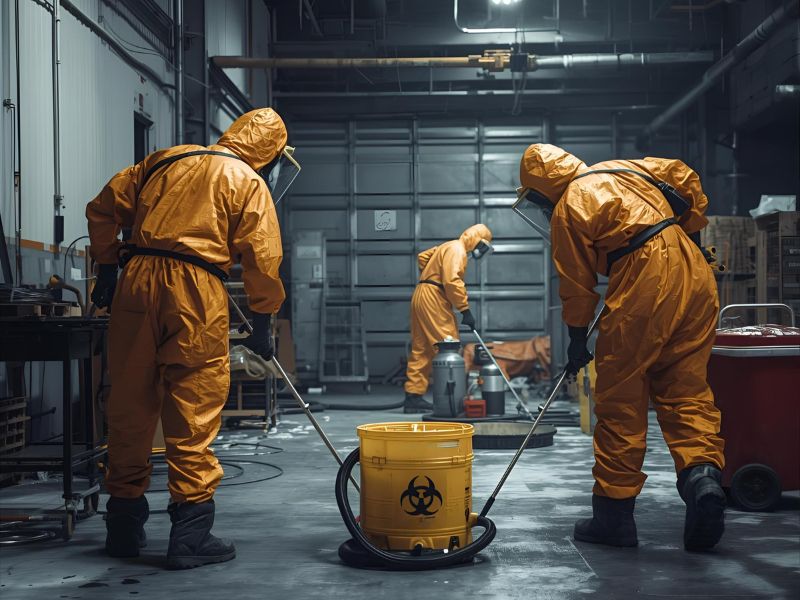
Getting certified in biohazard cleaning requires completing accredited training courses that cover bloodborne pathogens, hazardous waste handling, trauma cleaning, and personal protective equipment safety. Most biohazard cleaning training programmes involve 20-40 hours of classroom and hands-on training, with entry-level bloodborne pathogen awareness being the most common starting point. We at Crime Scene Cleaner Courses UK provide comprehensive biohazard training that meets industry standards and regulatory requirements.
Biohazard cleaning certification isn't a single universal licence. Instead, professional crime scene cleaners typically complete a bundle of accredited biohazard cleaning courses covering different aspects of hazardous material handling. The cleaning industry has evolved significantly, with over 70% of employers now preferring or requiring recognised certification before hiring staff for trauma cleaning and biohazard cleaning work. For anyone researching how to become a biohazard cleaner, understanding these certification requirements is a vital first step.
The core certification areas include bloodborne pathogen awareness, which underpins all biohazard cleaning and trauma cleaning work. This foundation biohazard training course teaches proper handling of infectious material and safety protocols essential for anyone entering this specialist industry. Additional modules cover crime scene cleaning, unattended death cleaning, hazardous materials management, and decontamination procedures across various crime scenes.
Training courses are designed for individuals over 18 who are physically fit and able to pass background checks. While a sound educational background helps, no formal academic qualifications are required for most biohazard cleaning training courses, making this career path accessible to many people seeking opportunities in the specialist industry.
Several distinct biohazard training programmes are available depending on your career goals. Crime scene cleaning courses focus specifically on trauma sites, crime scenes, and unattended death scenarios. These biohazard cleaning courses teach proper protocols for handling bodily fluids and maintaining safety standards in emotionally challenging environments across various crime scenes. For those seeking a more structured pathway, enrolling in a dedicated crime scene cleanup course provides the essential foundation to build a professional career in this field.
Bloodborne pathogens training forms the foundation of most biohazard cleaning training programmes. This crucial biohazard training course covers protection against blood borne pathogens and teaches proper use of personal protective equipment. Industry professionals consider this the essential starting point for anyone entering extreme cleaning called biohazard remediation work.
Sharps training addresses the safe collection and disposal of hypodermic needles and other potentially dangerous items found at trauma scenes and crime scenes. This specialised biohazard training course teaches cleaners how to safely dispose of medical waste while protecting themselves and others from injury during specialist cleaning operations.
Some UK providers offer modular biohazard cleaning training approaches, where candidates can complete separate certificates in crime scene cleaning, sharps removal, hoarding clean-up, and hazardous waste disposal. This allows professionals to build a comprehensive portfolio over time while specialising in areas that match their interests and local market demands within the specialist industry.
Several training courses now include collecting hypodermic needles procedures, ensuring students learn skills for safely handling these dangerous items. Advanced biohazard cleaning training course modules may cover West Wales specific regulations and requirements for those operating in particular regions.
Biohazard cleaning training develops both practical skills and theoretical knowledge. Participants learn to identify different types of biohazardous materials and understand the health risks associated with each contamination scenario. The biohazard training courses cover proper cleaning techniques, chemical selection, and equipment operation for various trauma cleaning situations at crime scenes.
Safety knowledge forms a crucial component of all biohazard cleaning training programmes. Students learn about safety regulations, control safety issues related to chemical exposure, and understand legal requirements for handling infectious material. This comprehensive approach through training courses ensures graduates can work safely while meeting all regulatory standards in specialist cleaning environments.
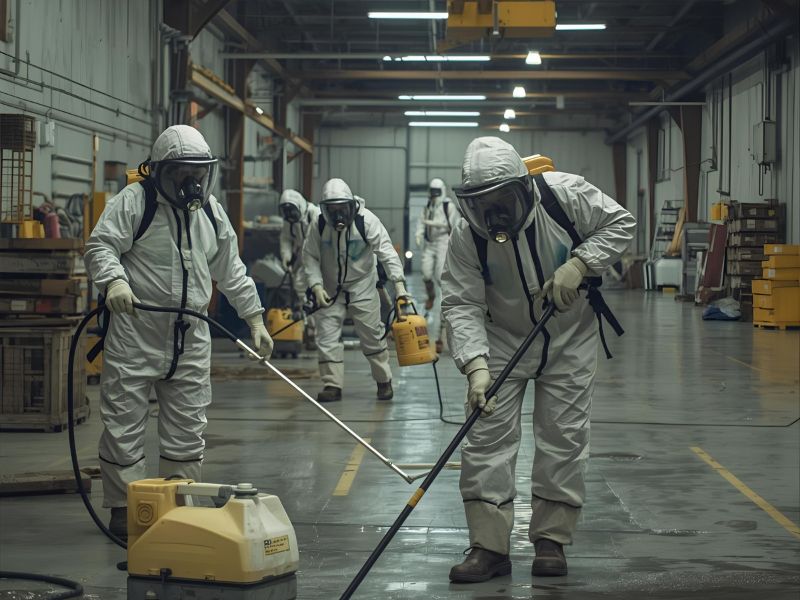
Practical training components teach hands-on skills for sanitising buildings, removing contaminated materials, and properly disposing of hazardous waste. The national academy standards require demonstration of competency in using cleaning equipment, applying decontamination procedures, and following industry protocols during trauma cleaning operations.
A growing number of biohazard training course providers now include mental health awareness and trauma support modules. These courses recognise the emotional impact of working with grieving families or in distressing environments such as crime scenes. This holistic approach better prepares cleaning professionals for the psychological challenges they may encounter when providing specialist cleaning services.
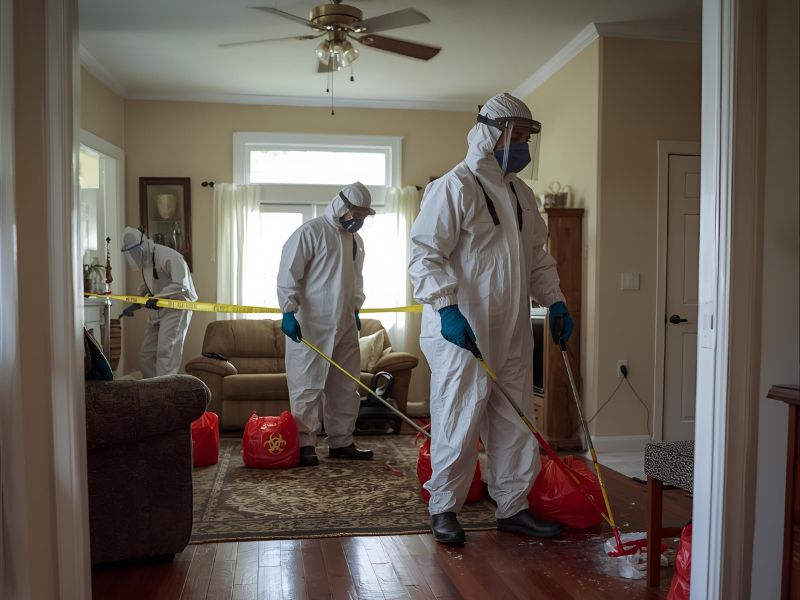
Selecting appropriate training providers requires careful consideration of accreditation, course content, and practical experience opportunities. Look for CPD certified courses that meet recognised industry standards. The best biohazard cleaning training providers offer comprehensive programmes that combine theoretical instruction with hands-on practice using realistic scenarios from actual crime scenes and trauma cleaning situations.
When evaluating biohazard training options, consider providers who offer ongoing support and career opportunities. Industry specialists often provide the most relevant and up-to-date instruction because they understand current market demands and regulatory requirements for biohazard cleaning work.
Course duration and scheduling flexibility matter for working professionals. Most biohazard cleaning training course programmes require 20-40 hours of training, though advanced modules like chemical decontamination or infection control can take longer. Some providers offer weekend or evening training courses to accommodate different schedules while maintaining thorough coverage of trauma cleaning procedures.
Cost considerations are important, with biohazard cleaning courses typically ranging from £500 to £2,000 depending on the modules included and whether specialist equipment training is provided. Choose providers like Biohazard Cleaning Courses UK or Crime Scene Cleaner Courses UK who offer transparent pricing and clear information about what each biohazard training course includes. Previous experience in general cleaning can be helpful but isn't required for starting biohazard cleaning training.
The certification process typically begins with enrollment in an accredited biohazard cleaning course. Initial assessment may include health screening to ensure candidates can safely handle the physical demands of biohazard cleaning work. Some biohazard training courses cover basic health and safety requirements before advancing to specialist topics like trauma cleaning and crime scene remediation.
Practical assessments form a crucial part of most biohazard cleaning training. Students must demonstrate competency in using personal protective equipment, following decontamination procedures, and handling various types of contaminated materials found at crime scenes. These hands-on evaluations ensure graduates possess the skills needed for real-world trauma cleaning situations.
Written examinations test theoretical knowledge of bloodborne pathogens, safety regulations, and legal requirements. Many CPD accredited programmes require passing grades on both practical and written components before issuing biohazard cleaning certification. The national academy approach ensures graduates can work safely across different crime scenes and biohazard situations.
Courses held by reputable providers often include mentorship opportunities where experienced professional crime scene cleaners share expert advice and real-world insights. This guidance helps new cleaners understand the practical challenges they'll face and builds confidence for handling difficult situations when providing specialist cleaning services.
Students learn skills for managing various scenarios from simple biohazard cleaning to complex trauma sites. Training courses teach individuals how to work safely in challenging environments while maintaining professional standards expected in the specialist industry.
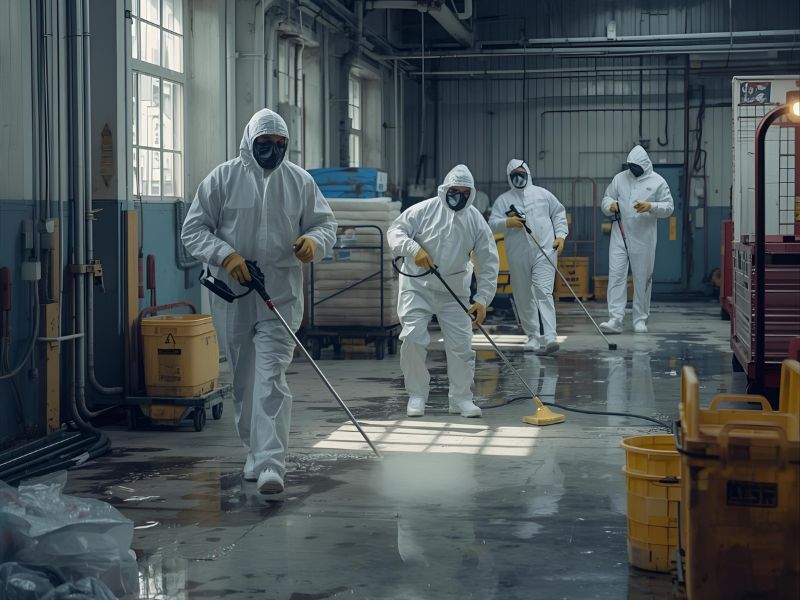
Certified biohazard cleaners have access to higher-paying contracts, often earning 20-30% more than non-certified staff because they can legally handle regulated waste. For those wondering what are the best paid cleaning jobs, the cleaning business opportunities extend beyond traditional crime scenes to include medical facility decontamination, infection control, and industrial accident cleaning involving biohazard materials.
Job opportunities exist with specialist cleaning companies, insurance firms, and healthcare facilities requiring biohazard cleaning services. Some professionals choose to establish their own cleaning business, focusing on trauma cleaning or other specialist cleaning niches. Certification opens doors to specialist insurance-funded clean-ups that require verified training credentials from recognised biohazard training programmes.
Career opportunities often involve developing expertise in specific areas such as extreme cleaning scenarios, complex decontamination projects, or management roles within larger cleaning organisations. Experienced professionals may advance to training roles, helping teach individuals entering the biohazard cleaning field through various training courses.
The growing recognition of certification requirements means career opportunities continue expanding. Many areas previously handled by general cleaners now require specialist training, creating new niches for certified professionals to explore within the cleaning industry. Professional crime scene cleaners can specialise in trauma sites, while others focus on unattended death cleaning or hazardous waste management.
Skills needed for advancement include strong knowledge of safety protocols, experience with various equipment types, and ability to work safely in challenging environments. The specialist industry rewards those who demonstrate competency across multiple biohazard cleaning disciplines.
Once certified, cleaners must usually take refresher training every 1-3 years to stay compliant with the latest health and safety regulations. This ongoing education through training courses ensures professionals remain current with evolving industry standards and new biohazard cleaning technologies.
Professional development opportunities include advanced biohazard training course modules covering emerging contaminants, new trauma cleaning techniques, and updated safety protocols for working at crime scenes. Many professionals pursue additional certifications to expand their service offerings and increase their market value within the cleaning business sector.
Networking with industry specialists through trade associations and continuing education events helps certified cleaners stay informed about market developments and career opportunities. These connections often lead to referrals and collaborative opportunities for specialist cleaning projects including crime scenes and trauma sites.
Regular skills assessment and updating ensure certified professionals maintain the competency levels required for safe and effective biohazard cleaning work. This commitment to ongoing learning through training courses distinguishes professional cleaners from those without formal certification. The national academy approach emphasises continuous improvement across all aspects of biohazard cleaning and trauma cleaning services.
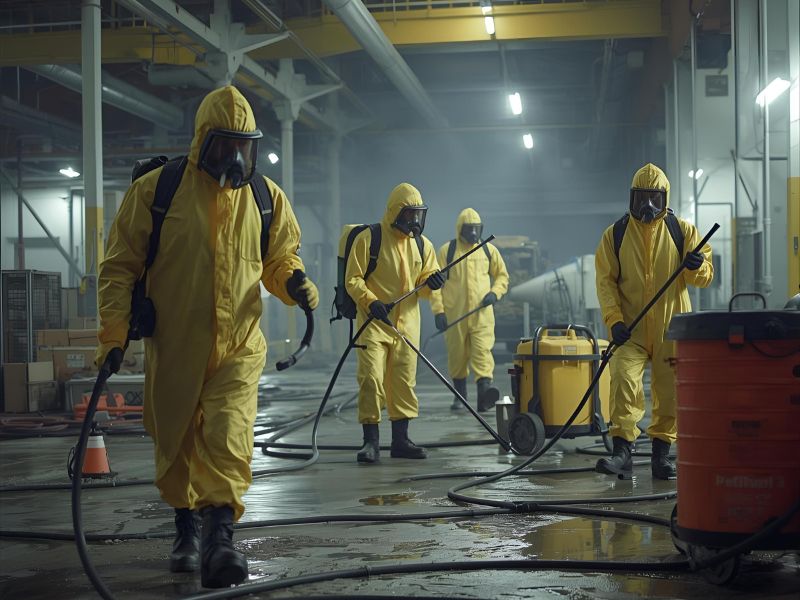
Biohazard cleaning training represents a significant investment, with costs varying based on course comprehensiveness and provider reputation. Entry-level certification programmes typically cost less than comprehensive courses that include multiple specialist modules.
Some training providers offer payment plans or financing options to make certification more accessible. Government funding may be available through workforce development programmes, particularly for individuals transitioning between careers or re-entering the workforce.
Consider the return on investment when evaluating training costs. Certified professionals typically command higher rates and have access to more lucrative contracts, often recovering training costs within their first year of work.
Budget for ongoing costs including certification renewal, refresher training, and professional development. These ongoing expenses are necessary for maintaining credentials and staying competitive in the cleaning industry.
Working in biohazard cleaning requires strict adherence to health and safety protocols. Training programmes emphasise the importance of proper personal protective equipment use and maintaining safety standards throughout all cleaning operations.
Understanding potential health risks helps professionals make informed decisions about their career path. Training covers exposure risks, prevention strategies, and emergency procedures for handling unexpected situations or equipment failures.
Physical fitness requirements vary depending on the specific type of biohazard work. Crime scene cleaning and trauma sites often require considerable physical stamina and the ability to work in challenging environments for extended periods.
Mental health support becomes increasingly important as professionals gain experience in emotionally challenging situations. Many training programmes now include resources for managing stress and accessing professional support when needed.
Ready to begin your career in biohazard cleaning? Crime Scene Cleaner Courses UK offers comprehensive biohazard cleaning training course programmes designed to meet industry standards and prepare you for a successful career in this growing field. Our experienced instructors provide both theoretical knowledge and practical skills training using real-world scenarios from actual crime scenes and trauma cleaning situations.
We cover all essential certification areas including bloodborne pathogens, trauma cleaning, crime scene cleaning, hazardous waste handling, and personal protective equipment safety. Our CPD certified course meets regulatory requirements and provides the credentials needed to work professionally in the biohazard cleaning industry. Training courses include modules on unattended death cleaning, specialist cleaning protocols, and advanced biohazard cleaning techniques.
Our ultima cleaning academy approach combines classroom instruction with hands-on practice, ensuring students develop the competency and safety knowledge required for professional work. We teach individuals proper protocols for handling infectious material, waste management, and trauma sites preparation. Whether you have previous experience or need to learn skills from scratch, our biohazard training course options accommodate all backgrounds.
Contact Crime Scene Cleaner Courses UK today for a free quote on our training programmes. We'll help you choose the right certification path based on your career opportunities and provide the support you need to succeed in this rewarding but challenging profession within the cleaning industry.