
call now on:
0333 567 2369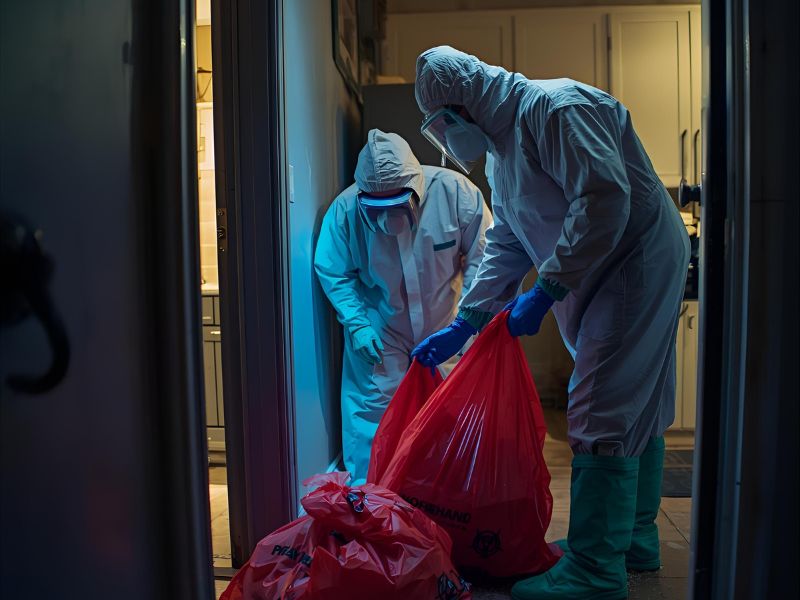
To become a biohazard cleaner in the UK, you need to complete specialist biohazard cleaning training in hazardous materials handling, obtain relevant certifications, and develop the emotional resilience required for this demanding but rewarding career. Most people enter the field through professional training programmes that cover bloodborne pathogens, personal protective equipment usage, and safe waste disposal procedures.
Biohazard cleaning is one of the few industries where no formal degree is required, but professional training and certification in handling hazardous waste is almost always essential. This specialist type of cleaning work involves much more than traditional cleaning services, encompassing everything from crime scenes and trauma cleaning to industrial accidents and infectious disease outbreaks.
Biohazard cleaners, also known as trauma cleaning specialists or forensic cleaning professionals, handle the safe removal and disposal of hazardous materials from affected areas. The role isn't just about crime scenes - cleaners are also called for hoarding cases, trauma clean-ups, pest infestations, industrial accidents, sewage backflows, and infectious disease outbreaks.
We work with various biohazardous materials including bodily fluids, blood, and other potentially infectious substances. The job requires strict adherence to health and safety protocols and the ability to restore spaces to safe, habitable conditions. Most jobs require 24/7 availability, since incidents often need urgent response, making it one of the few cleaning careers where emergency call-outs are standard.
The cleaning industry has seen growing demand for these specialist cleaning services, particularly as public health awareness increases and regulatory requirements become more stringent. Crime Scene Cleaner Courses UK has observed that many people are drawn to this career because it offers the opportunity to help families during difficult times whilst building a stable, well-compensated profession.
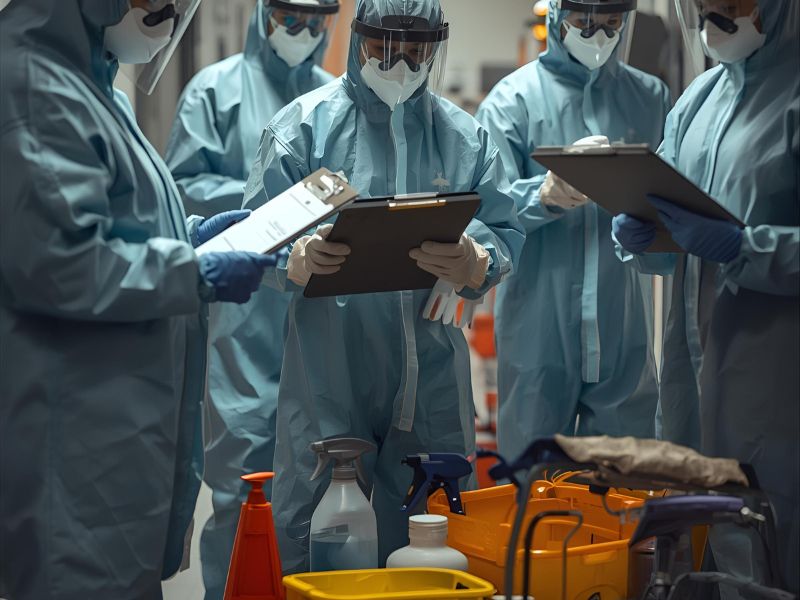
To clean crime scenes and trauma scenes effectively, you need extensive training in handling hazardous waste and biohazardous materials. Key skills needed include proper use of personal protective equipment, understanding of bloodborne pathogens, and knowledge of disposal procedures for Category 3 hazardous waste.
Most people entering the field complete specialist training courses covering topics like bloodborne pathogens, chemical exposure, PPE usage, and safe waste disposal. The technical expertise required goes beyond standard cleaning knowledge, encompassing understanding of how different contaminants interact with various surfaces and materials.
Understanding health risks associated with biohazardous waste is fundamental to this career. You must know how to protect yourself and others from potential contamination whilst working in affected areas. This includes knowledge of proper decontamination procedures and understanding when areas have been restored to safe conditions.
The cleaning industry demands that biohazard cleaners maintain high standards of safety at all times. In the UK, biohazard waste is legally classed as Category 3 hazardous waste, meaning cleaners must follow strict regulations on collection, transport, and disposal.
The job demands strong emotional stability as cleaners often work in sensitive environments where families are grieving or distressed. You need the emotional resilience to handle traumatic situations whilst maintaining professionalism and compassion.
A surprising fact is that cleaners often need business management or customer service skills, because part of the role is explaining the process to clients, giving quotes, and handling sensitive conversations. The ability to communicate clearly and sensitively with clients, police, and other professionals is essential for career success.
Training courses are the primary route into this profession. We at Crime Scene Cleaner Courses UK provide comprehensive education covering all aspects of biohazard cleaning, from basic safety protocols to advanced trauma cleaning techniques. A new biohazard cleaner can expect 3 to 6 months of intensive training and supervised work before being ready to handle jobs independently.
The national academy standards require that all biohazard cleaners complete specific modules covering hazardous materials handling, personal protective equipment usage, and waste disposal regulations. For anyone researching how to get certified in biohazard cleaning, these qualifications ensure that cleaners have the technical expertise required to perform their duties safely and effectively.
Beyond classroom learning, hands on experience is crucial for developing the specialised skills needed in this field. Training typically includes supervised work on actual job sites, allowing new cleaners to apply their knowledge under expert guidance.
Most training programmes combine theoretical knowledge with practical application, ensuring that graduates have both the sound educational background and real-world experience needed to succeed. This approach massively helped improve industry standards and public safety.
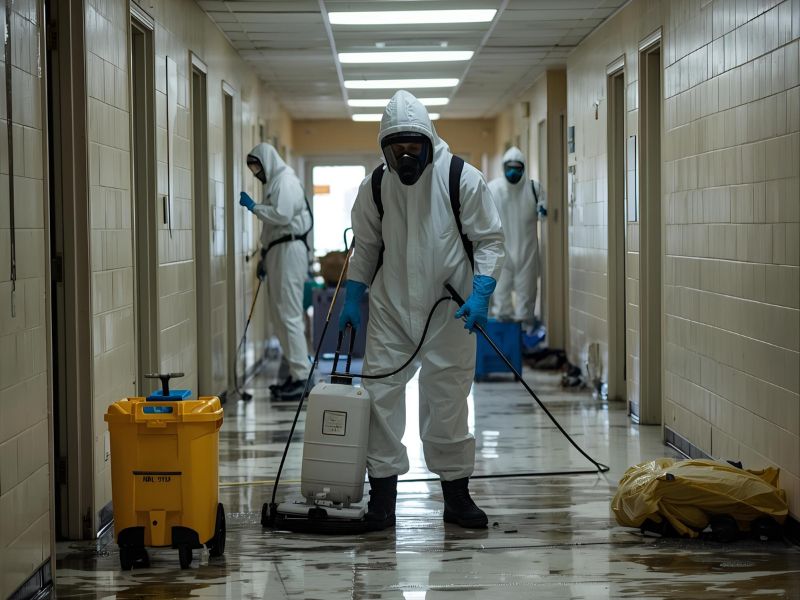
The cleaning industry continues to evolve, with new technologies and methods regularly emerging. Professional cleaning services require ongoing education to maintain current knowledge and certifications. Regular updates on health and safety regulations, new equipment, and improved cleaning techniques are essential for maintaining high standards.
Many cleaners choose to expand their qualifications to include pest control, sharps removal, or other specialist areas. This professional development can open additional career opportunities and increase earning potential.
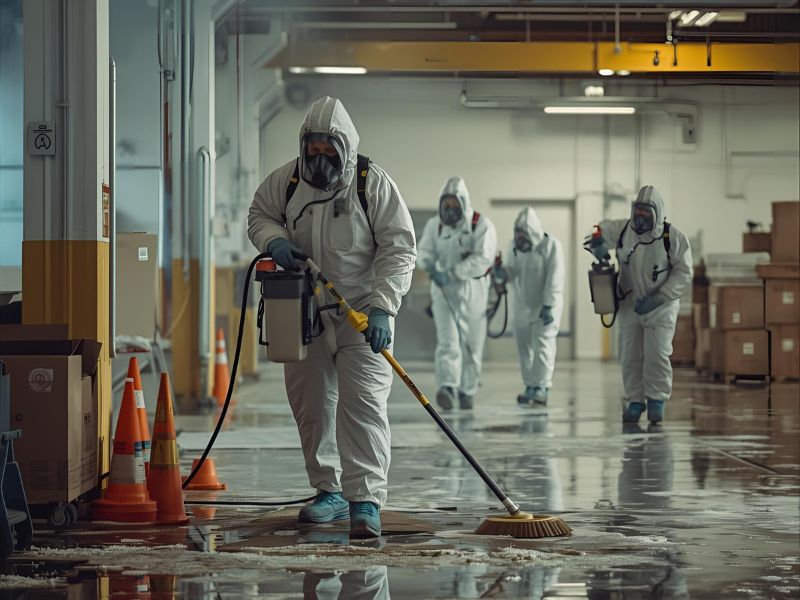
Personal protective equipment is non-negotiable in this field. Full-body suits, respirators, gloves, and face shields are standard equipment, along with industrial-grade disinfectants and ozone machines. The equipment list includes everything needed to protect workers whilst ensuring thorough decontamination of affected areas.
PPE requirements vary depending on the specific type of clean up being performed, but all work involves potential exposure to biohazardous materials. Understanding when and how to use different types of protective equipment is fundamental to working safely in this environment.
Professional biohazard cleaning requires equipment beyond standard cleaning supplies. Industrial vacuum systems, specialised disinfectants, and decontamination tools are all part of the professional cleaner's toolkit. Many companies invest heavily in state-of-the-art equipment to ensure complete decontamination.
The team at Crime Scene Cleaner Courses UK ensures that all students understand how to operate and maintain this specialist equipment safely and effectively.
Many biohazard cleaning companies carry multi-million-pound insurance policies due to the high-risk nature of the work. For those asking what insurance do I need for biohazard cleanup, understanding insurance requirements and business considerations is important for anyone planning to work independently or wondering how to start a biohazard cleaning business.
Equipment costs can be substantial, but the investment is essential for maintaining safety standards and building a successful business. Many new cleaners start by working for established companies before considering independent work.
Biohazard cleaners typically earn more than general cleaners, with many earning £20 to £30+ per hour because of the risks, specialist knowledge, and emotional resilience required. For anyone asking how much is a biohazard cleanup salary in the UK, or exploring what are the best paid cleaning jobs, this rewarding career offers both financial stability and the satisfaction of helping people during difficult times.
Earnings can vary based on location, experience, and the specific types of job undertaken. Emergency call-outs and specialist work often command premium rates, particularly for cleaners with extensive training and proven expertise.
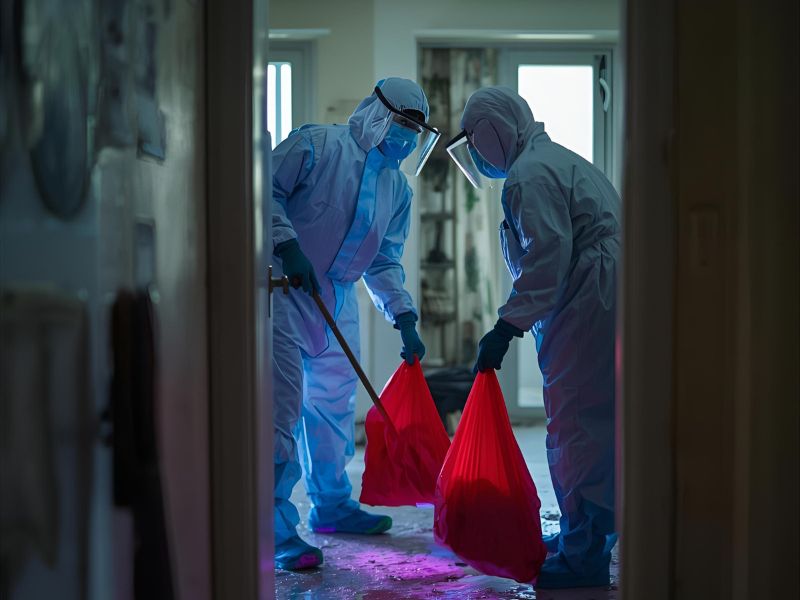
With demand for professional decontamination services increasing, industry insiders estimate that the UK biohazard cleaning market will continue to grow at a steady 5 to 7% annually. This growth creates excellent opportunities for new entrants to the field.
The business can grow through reputation and referrals, particularly for cleaners who demonstrate reliability, professionalism, and technical competence. Many successful biohazard cleaners find that word-of-mouth recommendations become their primary source of new clients.
Success in this field requires more than just technical skills. Building relationships with police departments, insurance companies, and other professionals in related fields is often crucial for developing a steady stream of work.
Many cleaners find that their career benefits from developing expertise in specific areas, such as crime scene cleaning, trauma cleaning, or industrial accident response. This specialisation can lead to higher rates and more consistent work opportunities.
This work is physically demanding, requiring cleaners to be physically fit enough to work in challenging environments whilst wearing full protective equipment. The job often involves working in confined spaces, on walls, and in other difficult positions.
Understanding your physical limitations and maintaining good health is essential for a long career in this field. Many companies require medical clearances and regular health checks for their employees.
The psychological aspects of this work cannot be overlooked. Seeing trauma scenes regularly can affect mental health, and it's essential that cleaners have access to support systems and counselling when needed.
Professional cleaning services increasingly recognise the importance of supporting their team's mental wellbeing. Many companies provide access to counselling services and encourage open discussions about the emotional challenges of the work.
Despite all safety precautions, working with hazardous materials carries inherent health risks. Understanding these risks and taking appropriate precautions is essential for protecting long-term health.
Regular health monitoring and following all safety protocols helps minimise risks, but anyone considering this career should understand and accept these potential health considerations.
The first step is to identify reputable training providers who can provide the education and certification needed to work safely and legally in this field. Look for courses that cover all essential aspects of biohazard cleaning, from basic safety to advanced techniques.
Crime Scene Cleaner Courses UK offers comprehensive training programmes designed to prepare students for successful careers in biohazard cleaning. Our courses combine theoretical knowledge with practical experience, ensuring graduates are ready to enter the field with confidence.
Once you complete your initial training, focus on gaining experience and building your reputation in the industry. Many new cleaners benefit from working with experienced professionals who can provide mentorship and guidance.
Consider starting with an established company before branching out independently. This approach allows you to build experience whilst learning about business aspects of the industry from seasoned professionals.
Building relationships within the cleaning industry and related fields is crucial for long-term success. Attend industry events, join professional associations, and maintain good relationships with clients, police, and other professionals you work with.
A strong professional network often becomes the foundation for a successful career, providing referrals, support, and opportunities for professional development.
Becoming a biohazard cleaner offers the opportunity to build a rewarding career helping people during some of their most difficult times. The combination of technical expertise, emotional resilience, and professional dedication required makes this a challenging but ultimately fulfilling profession.
If you're interested in starting your career in biohazard cleaning, the essential first step is obtaining proper training from a reputable provider. Crime Scene Cleaner Courses UK has helped hundreds of people begin successful careers in this field, providing the education, support, and guidance needed to complete the transition into this specialist profession.
Contact Crime Scene Cleaner Courses UK today for a free quote on our comprehensive training programmes. We're here to support you every step of the way as you begin this rewarding career path.