
call now on:
0333 567 2369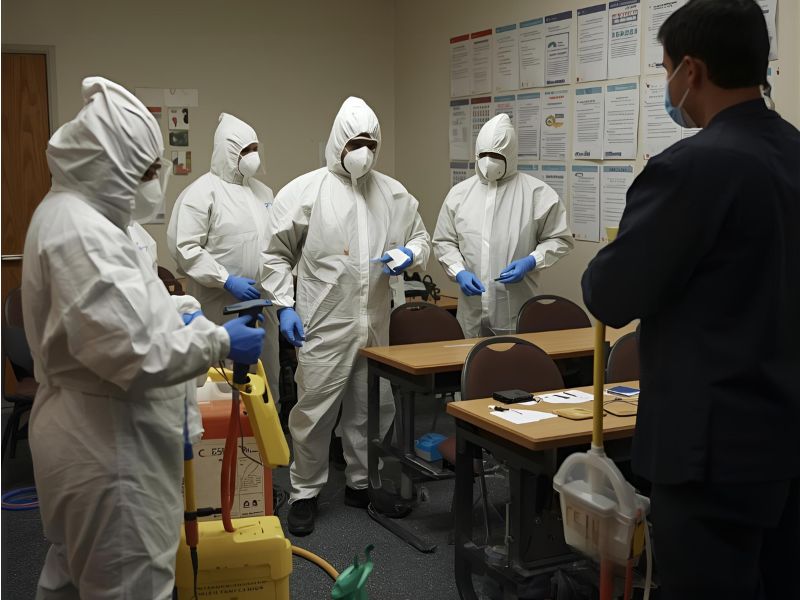
To become a crime scene cleaner, you need to complete specialist biohazard training courses, obtain relevant certifications for handling hazardous materials, develop strong emotional resilience, and ensure you're physically fit for demanding work. No formal degree is required, but most professionals complete 6 months to a year of training and experience before handling complex jobs independently.
Crime scene cleaning represents a vital service within the trauma and biohazard remediation industry. We at Crime Scene Cleaner Courses UK understand that many people feel drawn to this rewarding career but aren't sure where to start. This comprehensive guide will walk you through everything you need to know about entering this specialised field.
Crime scene cleaning involves far more than what people typically imagine. While crime scenes do form part of the work, professional cleaning services also handle suicides, unattended deaths, industrial accidents, hoarding clean-ups, and infectious disease decontamination.
The cleaning industry has recognised crime scene cleaning as part of a specialised sector that requires extensive training and technical expertise. For those wondering how to become a biohazard cleaner, understanding the combination of scientific knowledge and compassionate service is essential, as cleaners often work with families during their most difficult times. Many new starters are surprised to learn that the role demands as much empathy and discretion as it does cleaning skills.
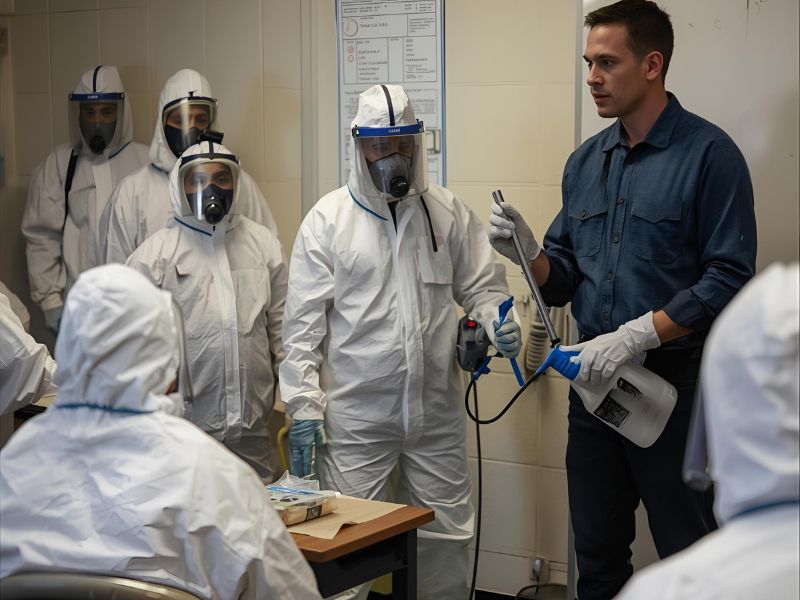
Becoming a crime scene cleaner requires comprehensive education in biohazard cleaning and safety protocols. While no formal university degree is mandatory, enrolling in a specialist crime scene cleanup course is essential for anyone serious about this career path.
Training courses typically cover bloodborne pathogens, proper handling of biohazardous materials, and the use of personal protective equipment. These programmes teach you how to safely clean up affected areas whilst protecting yourself and others from health risks. Most courses also include modules on emotional resilience and dealing with traumatic situations.
Professional development in this field demands specific certifications. Crime scene cleaner requires certification in hazardous waste disposal and biohazard cleaning techniques. You'll need to complete courses that cover strict protocols for handling biological materials and understand the legal requirements surrounding this type of work. For anyone asking how to get certified in biohazard cleaning, these courses provide the essential pathway.
Key certifications include biohazard remediation, sharps removal, and waste management qualifications. These credentials demonstrate your technical expertise and commitment to maintaining high standards in the industry.
The nature of crime scene cleaning demands a unique combination of skills. Attention to detail stands as perhaps the most crucial ability, as even microscopic traces of biological material can create serious health risks if overlooked.
Physical fitness plays a vital role, as the work can be physically demanding. You'll spend hours in full personal protective equipment, often working in confined spaces or challenging environments. The job requires you to be physically fit enough to handle heavy equipment and work for extended periods.
Key skills you'll need to develop include:
Working with hazardous materials means prioritising safety above all else. Every crime scene presents unique challenges, from bloodborne pathogens to chemical contamination. Understanding how to protect yourself and properly dispose of biohazardous waste forms the foundation of professional practice.
Personal protective equipment becomes your most important tool. A typical kit includes full-body suits, respirators, industrial-strength cleaning agents, ozone machines, and specialised waste containers for biohazards. Learning to use this equipment properly requires hands-on experience and ongoing training.
The industry operates under strict regulations covering health and safety laws, waste disposal requirements, and sometimes police protocols. Staying current with these regulations ensures you can work legally and safely throughout your career.
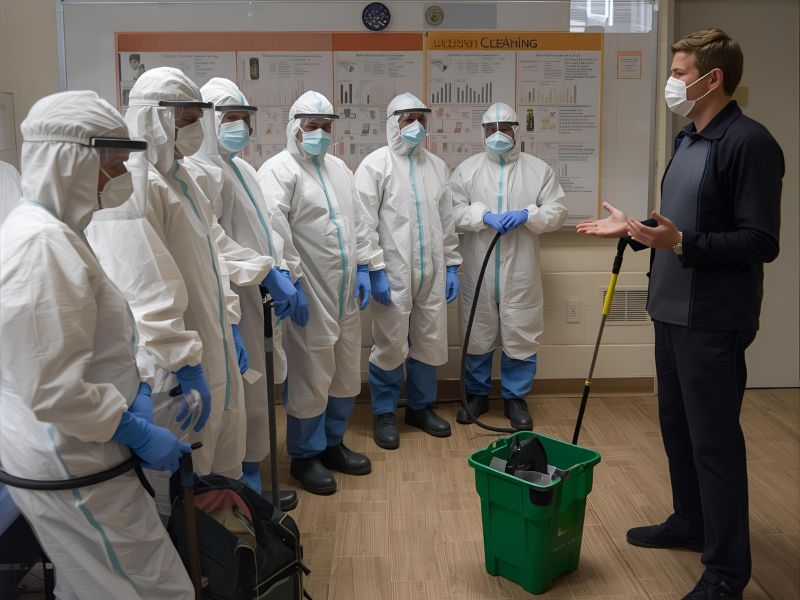
Crime Scene Cleaner Courses UK offers comprehensive training programmes designed to prepare you for this challenging field. Our courses combine theoretical knowledge with practical, hands-on experience. You'll learn about different types of trauma scenes and the specific approaches needed for each situation.
The curriculum covers everything from basic cleaning techniques to advanced biohazard remediation. Students gain experience with professional-grade equipment and learn to work efficiently whilst maintaining the highest safety standards. Training typically takes several months to complete, with ongoing professional development opportunities available.
Experienced professionals often start as assistants, learning the trade whilst working alongside seasoned crime scene cleaners. This apprenticeship approach allows new cleaners to build confidence gradually whilst developing their technical expertise.
Many employers prefer candidates who can demonstrate both formal education and practical experience. Starting with simpler jobs and gradually taking on more complex assignments helps build the skills and emotional resilience needed for this demanding work.
The trauma and biohazard remediation industry continues to grow as awareness of professional decontamination needs increases. This growth creates steady demand for qualified crime scene cleaners across the UK.
In the UK, crime scene cleaners typically earn between £20,000 to £40,000 per year, with experienced specialists and business owners earning significantly more. For those wondering how much do crime scene cleaners make, or exploring what are the best paid cleaning jobs, factors such as experience level, geographic location, and whether you work for a company or operate independently all play a major role in determining salary.
Jobs can vary dramatically in duration, lasting anywhere from a couple of hours to several days depending on the severity of the incident and level of contamination. This variety keeps the work interesting whilst providing opportunities for different types of expertise.
Many crime scene cleaners report that the psychological challenge of regularly witnessing traumatic aftermaths proves more difficult than the physical aspects of the job. Developing emotional resilience becomes crucial for long-term success in this field.
The work requires maturity and the ability to remain professional in highly emotional situations. Families often need support and reassurance during devastating times, making compassion and communication skills as important as technical cleaning abilities.
Despite the intense nature of the work, many professionals find it deeply rewarding. They help families restore their homes and move forward after traumatic events, providing an essential service during people's darkest hours.
Understanding and maintaining professional equipment forms a significant part of the job. Crime scene cleaners use sophisticated tools including ozone machines for odour elimination, industrial vacuum systems, and specialised cleaning agents designed for biological contamination.
Proper equipment maintenance ensures both safety and effectiveness. Learning to select the right tools for each situation and understanding their limitations requires ongoing training and experience.
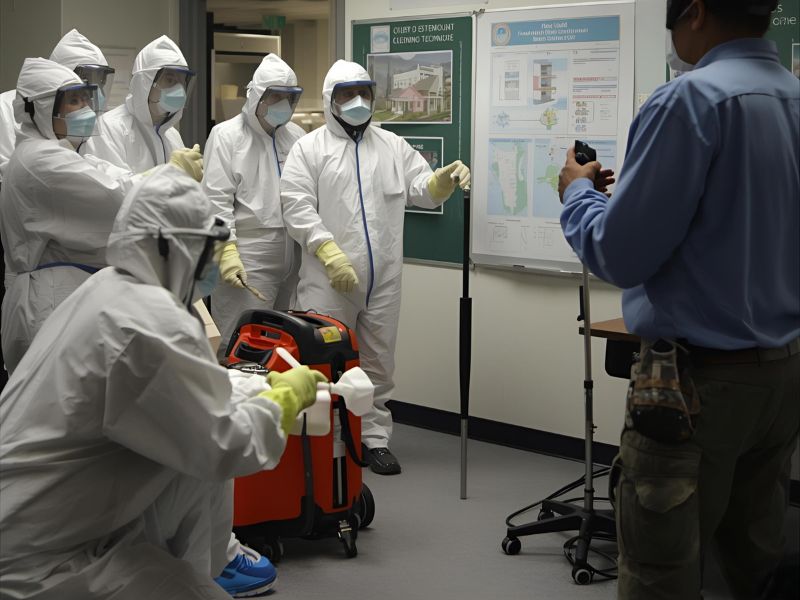
The cleaning industry operates under comprehensive regulations governing waste disposal, worker safety, and public health protection. Crime scene cleaners must understand these legal requirements and ensure complete compliance in all their work.
Working closely with police, coroners, and other emergency services requires understanding of crime scene protocols and chain of evidence procedures. This knowledge helps ensure that cleaning work doesn't interfere with ongoing investigations whilst still providing necessary services to affected families.
Success in crime scene cleaning depends on building a reputation for reliability, compassion, and thoroughness. Word-of-mouth recommendations from satisfied clients, emergency services, and other professionals drive much of the business in this field.
Continuing education and staying current with new techniques, equipment, and regulations helps maintain professional standards. Many successful cleaners eventually start their own businesses, leveraging their experience and reputation to build thriving enterprises.
Becoming a crime scene cleaner isn't a decision to take lightly. The work demands physical stamina, emotional strength, and unwavering attention to detail. However, for those suited to this challenging field, it offers the opportunity to provide genuine help to people during their most difficult times.
Consider whether you have the temperament for this type of work. Can you maintain composure in disturbing situations? Do you have the physical capability for demanding manual work? Are you prepared for the ongoing training and certification requirements?
If you're ready to begin this rewarding career, proper training forms your essential first step. Understanding the technical, legal, and emotional aspects of crime scene cleaning through comprehensive education sets the foundation for success.
We encourage anyone serious about becoming a crime scene cleaner to invest in quality training from experienced professionals. The skills you develop and the knowledge you gain will serve you throughout your career in this vital and growing industry.
Ready to start your journey as a crime scene cleaner? Contact Crime Scene Cleaner Courses UK today for a free quote on our comprehensive training programmes. Our experienced team will help you understand the requirements and support you in building the skills needed for this challenging but rewarding career path.