
call now on:
0333 567 2369
Professional crime scene cleaners in the UK earn between £20,000 to £30,000 annually, with hourly rates ranging from £15 to £30+ per hour depending on experience, location and employer. While some companies charge premium rates of £30+ per hour for crime scene cleaning services, many employees receive base salaries closer to £23,000 to £31,000 per year.
The salary landscape for crime scene cleaning and trauma scenes presents a complex picture. Published job market data suggests lower averages than what many companies actually charge clients for crime scene cleaning jobs. This creates opportunities for those willing to work in this challenging but rewarding role.
Crime Scene Cleaner Courses UK recognises that understanding earning potential is crucial when considering this path. Enrolling in a crime scene cleanup course not only helps clarify career expectations but also equips individuals with the technical skills and certifications required for success. We see many people drawn to this work not just for the salary prospects, but for the meaningful role they play in helping families during difficult times. Additionally, those interested in this sort of work often find deep satisfaction in providing essential crime scene cleaning services.
Recent data from UK job market aggregators shows an average hourly rate of approximately £15.03 for crime scene cleaning professionals. However, this figure doesn't tell the complete story of earning potential when you search for opportunities in this growing sector.
One major UK employer, Crime Scene Cleaning UK Ltd, lists cleaner roles ranging from £23,283 to £30,928 per year, with an average around £26,835. These figures reflect what many full-time employees earn under standard pricing models across different crime scene cleaning jobs.
The salary range often depends on several key elements. Location plays a significant role, with cleaners in major cities typically earning higher rates. Experience level dramatically affects earning potential, as does the type of employer and their approach to managing teams.
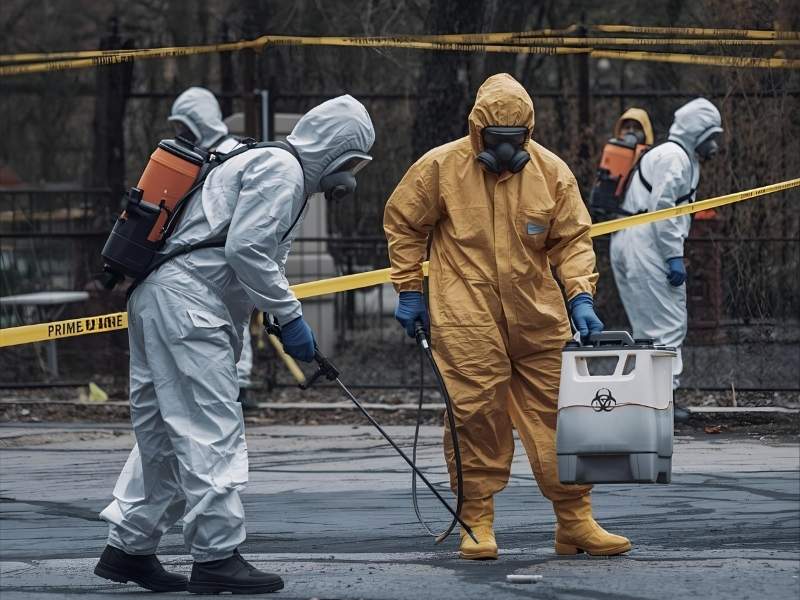
While published averages suggest £15 per hour, many companies charge clients £30+ per hour for crime scene cleaning and biohazard remediation work. For those asking how much is a biohazard cleanup salary in the UK, this creates a substantial margin that covers overhead costs including protective equipment, specialist training courses, waste disposal, and risk management.
For cleaners earning £20 to £25 per hour on premium crime scene cleaning jobs, a 10-hour shift can bring in £200 to £250 before tax and expenses. These longer shifts are common when dealing with complex trauma scenes that require extensive cleaning periods.
The variation in hourly rates reflects the diverse nature of crime scene cleaning work. Some jobs might pay £200 for a few hours of basic cleaning, while complex multi-day contaminated scenes can run into thousands of pounds. Additionally, jobs involving blood, faeces or other materials require specialist knowledge and command higher rates.
Crime scene cleaning offers several employment paths, each with different earning structures. Full-time workers with established cleaning companies typically receive steady salaries in the £20,000 to £30,000 range, plus benefits. These employees often find that team-based operations provide better support when dealing with challenging crime scenes.
Freelance contractors often have higher earning potential but face irregular patterns. These specialists might charge premium rates but must cover their own equipment costs and insurance expenses. Many contractors apply for multiple jobs across different regions to maintain steady income throughout the year.
Some cleaners work part-time while maintaining other occupations. This approach allows people to gain experience and qualifications progressively. Managing a gradual transition helps many discover their passion for this type of work without the pressure of immediate full-time commitment.
The cleaning sector has evolved to include various specialisations. Standard crime scene cleaning differs from trauma cleaning, which differs from biohazard decontamination work. Each specialisation commands different rates based on the required qualifications and complexity of the scenes involved.
Scotland and northern England typically see lower base rates, though cost of living adjustments mean real earning power remains competitive across different crime scenes. London and surrounding areas command the highest rates but also face the greatest overhead costs when dealing with complex trauma scenes.
Kent, being close to London but with lower operational costs, represents an attractive market for many cleaning workers. The region offers good access to training courses while maintaining reasonable living expenses. Additionally, Kent provides easy access to both urban crime scenes and rural locations requiring specialist cleaning.
Many specialists find that willingness to travel expands earning opportunities significantly. Cleaners prepared to visit different regions often secure more consistent work and higher overall annual earnings. This flexibility allows workers to explore different types of scenes and develop broader experience across various crime scene cleaning situations.
Key skills for this role include attention to detail, emotional resilience and physical stamina. These fundamental capabilities form the foundation for development and salary progression when dealing with challenging crime scenes. For anyone asking how do I become a crime scene cleaner, building these skills is an essential starting point.
Knowledge of health and safety regulations, hazardous waste management and proper decontamination procedures directly impacts earning potential. Employers value cleaners who understand regulatory requirements and can work safely without supervision across different types of trauma scenes.
Advanced qualifications in areas like microbiology, chemistry or forensic science can open doors to specialist roles with higher salaries. Some cleaners pursue additional training courses in restoration, which expands their service offerings. A degree in related sciences can also enhance career prospects and salary potential.
The ability to deal with upsetting crime scenes while maintaining professionalism is crucial. This emotional resilience, combined with technical skills, often separates higher-paid specialists from basic cleaners. Workers must continue to develop these skills to eliminate any weaknesses in their approach to challenging scenes.
Understanding global salary benchmarks provides useful context for UK earning potential in crime scene cleaning. In the United States, trauma scene cleaners average around $22.48 per hour, with typical ranges of $23 to $31 per hour for similar crime scene cleaning work.
Annual US salaries fall between $48,000 and $77,000 for full-time positions, with median earnings closer to $60,000 to $65,000. Some specialised biohazard firms pay their technicians around $21.91 per hour. These rates reflect the world's most developed market for professional crime scene cleaning services.
These international comparisons highlight how premium pricing in high-cost regions allows cleaners to command significantly higher rates. The UK market shows similar patterns, with London rates exceeding those in smaller cities when dealing with complex trauma scenes.
Entry-level positions typically start near minimum wage levels, though this quickly improves with experience and additional training courses. Those who develop expertise and can handle increasingly complex crime scenes find enhanced earning potential throughout the year.
Experienced cleaners often progress to supervisory roles, overseeing team operations. These positions command higher salaries and often include management responsibilities beyond hands-on crime scene cleaning work.
Some specialists eventually start their own operations. This entrepreneurial path offers the highest earning potential but requires significant acumen and initial investment. Those who successfully join this business model often discuss enhanced financial prospects with their teams.
The industry continues evolving, with new cleaning technologies and methods creating opportunities for specialists. Those who stay current with industry developments often find enhanced career prospects.
Many cleaning companies offer overtime opportunities, particularly for emergency callouts involving crime scenes. Night and weekend work typically commands premium rates, though this requires flexibility and commitment when dealing with urgent trauma scenes.
Some employers provide performance bonuses based on job completion rates or customer satisfaction scores. These incentives can add meaningful amounts to base salaries over time, particularly for workers who continue to enhance their skills and maintain high standards across different crime scene cleaning jobs.
Travel allowances and equipment provisions vary significantly between employers. Some companies cover all protective gear costs while others expect cleaners to provide their own basic tools and other materials needed for routine crime scene cleaning operations.
The nature of this work means periods of high demand followed by quieter spells. Successful workers learn to manage irregular income patterns through careful financial planning. This bit of financial management becomes crucial for those working across multiple crime scene cleaning jobs throughout the year.
This role involves significant demands that influence salary structures when dealing with death scenes and trauma situations. Employers recognise the challenging nature of the work through compensation packages designed to support employee wellbeing and protect workers' mental health.
Health and safety risks require extensive protective equipment and ongoing training courses. These costs impact overall compensation structures but are required for worker protection when dealing with complex crime scenes. The responsibility carried by cleaners extends beyond basic work when dealing with trauma scenes.
Workers often interact with grieving families and must maintain sensitivity while performing technical work. This responsibility means dealing with challenging emotional situations while managing the practical aspects of crime scene cleaning. Many employers now discuss these challenges openly and provide counselling support.
Dealing with death scenes and traumatic situations requires ongoing support. Many employers provide counselling services and mental health resources as part of their compensation packages when workers face particularly challenging crime scenes.
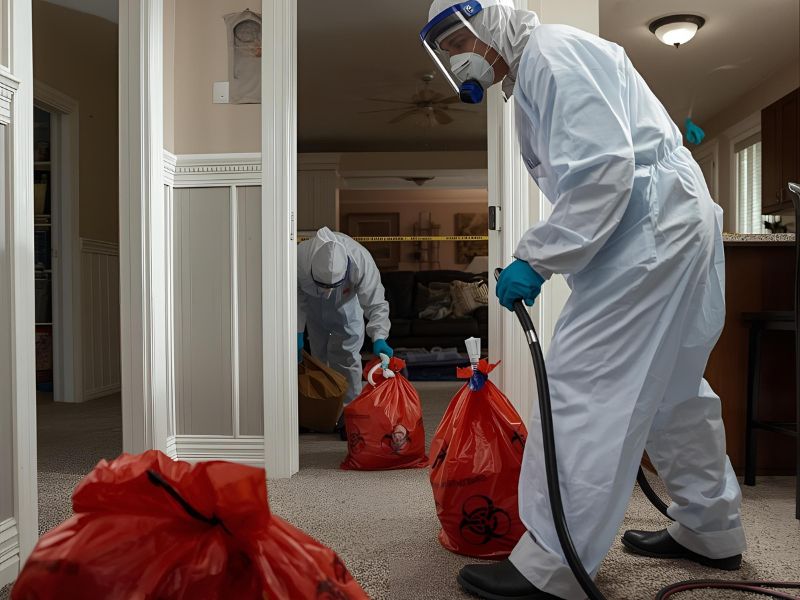
The cleaning sector continues growing as awareness of proper biohazard handling increases across crime scenes. This growth creates opportunities for new entrants and advancement for existing workers dealing with various trauma scenes throughout the year. For those exploring what are the best paid cleaning jobs, crime scene and biohazard cleaning consistently rank among the top due to the specialist skills and certifications required.
Regulatory changes often drive demand for qualified cleaners who understand compliance requirements when working across different crime scene cleaning situations. Those with proper training courses and qualifications benefit from these market developments and can apply for better-paying positions.
Technology improvements in cleaning methods create opportunities for specialists who master new techniques for handling complex crime scenes. Early adopters of innovative approaches often command premium rates when they can perform advanced cleaning across challenging trauma scenes.
The ageing population and increased life expectancy mean continued demand for cleaning services. This demographic trend supports long-term stability for those working in crime scene cleaning, as the need for these services continues throughout each year.
Pursuing this path requires proper training courses and qualifications for dealing with crime scenes. Crime Scene Cleaner Courses UK provides comprehensive training programmes that prepare people for the realities of this work, including how to handle blood, faeces and other materials safely.
We understand that salary considerations are important, but equally crucial is developing the skills needed for success when dealing with challenging trauma scenes. Our courses cover both technical aspects and the human elements of this demanding but rewarding work.
Many of our graduates find employment opportunities that exceed initial salary expectations when they apply for positions with established employers. The combination of proper training courses, certification and ongoing support helps people build successful careers in crime scene cleaning.
This role offers opportunities for those seeking meaningful work that makes a real difference during people's most difficult times. While the financial rewards are important, many workers find deep satisfaction in providing these services with compassion when dealing with death scenes and trauma situations.
We offer advice to anyone interested in this growing sector. Our team can discuss the details of what's required and comment on your suitability for crime scene cleaning work. Many of our students discover they have a real passion for helping others during difficult circumstances.
Contact Crime Scene Cleaner Courses UK today for a free quote on our training programmes and discover how we can help you build a rewarding path in this growing sector. Whether you're a daughter, son or any person looking to make a meaningful change in your life, we can help you understand what's required to perform effectively in this important role.