
call now on:
0333 567 2369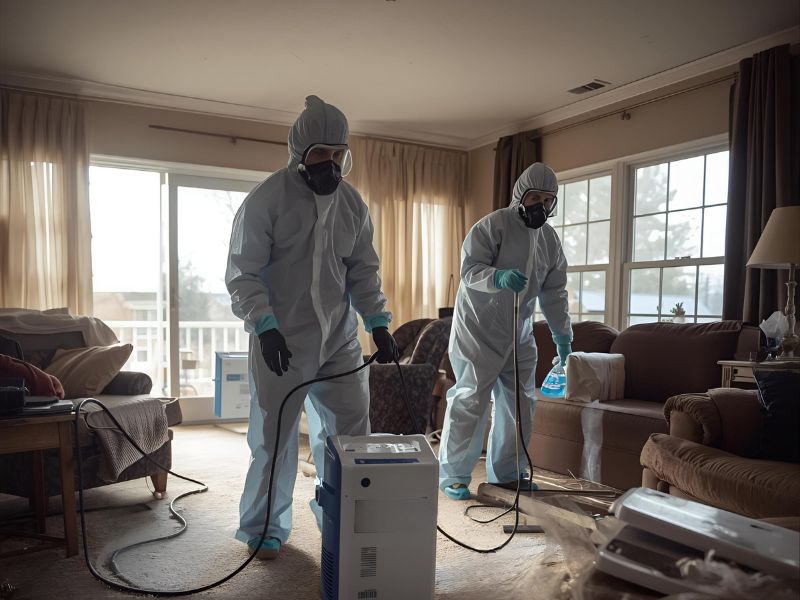
To remove bad smell from a room naturally when dealing with decomposition odours, you must first understand that standard household methods like air fresheners and baking soda alone are insufficient. Professional decomposition odour removal requires a systematic approach combining immediate containment, specialised odor neutralizers, complete removal of contaminated porous materials, and industrial-grade equipment to eliminate the over 400 different chemical compounds released during human decomposition.
While some natural methods can supplement professional cleaning, decomposition odours that can become noticeable within just 30 minutes to a few hours after death require comprehensive biohazard remediation to ensure complete elimination and safety.
Decomposition odours represent one of the most challenging smell removal situations we encounter in professional cleaning. Over 400 different chemical compounds are released during decomposition, which is why the smell is so complex and hard to neutralise with normal air fresheners or household remedies.
Common descriptions of the smell include a mix of rotting meat, strong sulphur, and ammonia, caused by gases such as cadaverine and putrescine. These volatile organic compounds penetrate deeply into porous materials and require specialised treatment protocols.
The odour from human decomposition can start to become noticeable within just 30 minutes to a few hours after death, depending on temperature and humidity. Heat accelerates odour release: a room at 30°C can smell up to three times stronger than the same space at 15°C.
In enclosed rooms, odours can permeate paint, wallpaper, plaster, and even wooden flooring, making simple cleaning ineffective. Traditional air fresheners merely mask these complex chemical compounds temporarily, while the source contamination continues to release bad odors.
Studies show that human decomposition odours can linger in a property for weeks or even months if not treated professionally, even after visible cleaning is completed. This persistence occurs because standard cleaning supplies cannot neutralize odors at the molecular level or reach contamination that has penetrated building materials.
Before any odour removal begins, we conduct a thorough assessment of the affected area. Professional cleaning isn't just about smell - untreated decomposition odours can indicate the presence of harmful bacteria and biohazard risks that pose health concerns for occupants.
The evaluation identifies obvious places where bodily fluids have contaminated surfaces, determines the extent of odour penetration into porous materials, and establishes appropriate safety protocols. Personal protective equipment becomes essential during this phase.
Proper ventilation forms the foundation of professional odour removal, but differs significantly from simply opening windows. We create controlled air movement that prevents cross-contamination while beginning the initial odour reduction process.
Fresh air circulation helps, but must be managed carefully to avoid spreading contaminated particles to unaffected areas. Professional air filter systems capture airborne contaminants during the cleaning process.
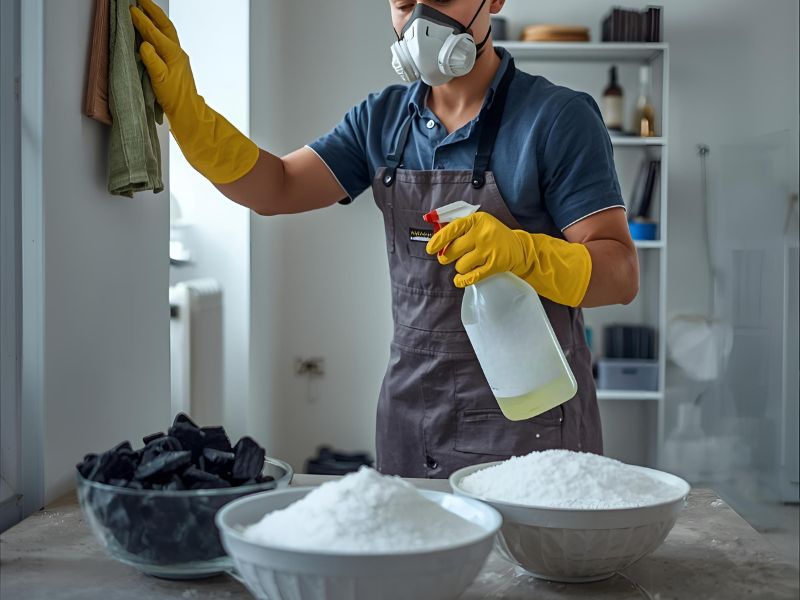
While baking soda has limited effectiveness against decomposition odours, activated charcoal provides significantly better results. Place large quantities of activated charcoal in small bowls throughout the affected area for passive absorption of volatile organic compounds.
Coffee grounds can supplement other methods but should not be relied upon as a primary solution. These natural odor absorbers work best when combined with proper ventilation and professional-grade treatments.
Natural enzyme-based cleaners break down organic compounds at the molecular level. These biological solutions digest the proteins and other organic matter that standard cleaning supplies cannot eliminate.
Apply enzymatic cleaners generously to all affected area surfaces using spray bottle application. Allow several hours of contact time for the enzymes to work effectively. Multiple applications may be necessary for complete breakdown of organic contamination.
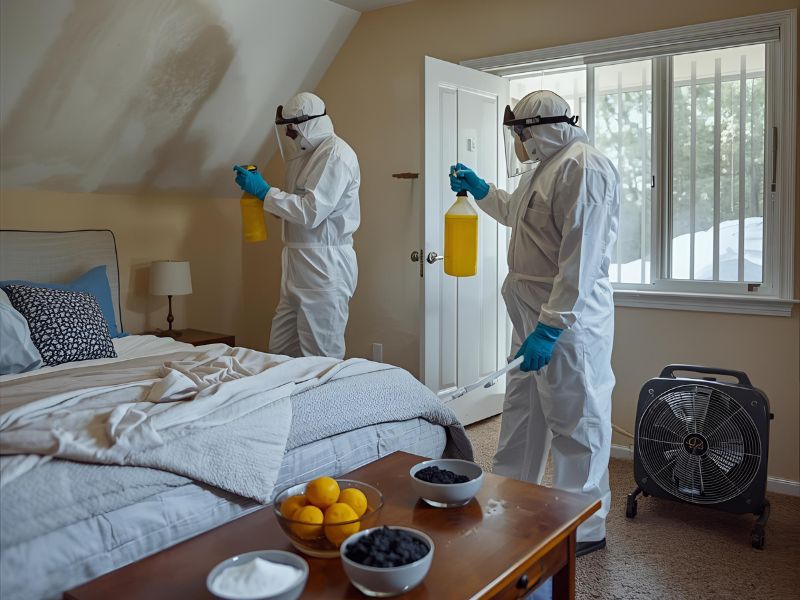
Professional biohazard cleaners often use industrial ozone generators or hydroxyl machines, which can reduce airborne odours by up to 95% within 24-48 hours. While not strictly "natural," these treatments use naturally occurring processes to neutralize odors.
Ozone treatment requires complete evacuation of the space and professional operation due to health risks. Hydroxyl generation provides a safer alternative that can operate with minimal evacuation requirements.
Porous materials like carpets and mattresses almost always need to be removed, as they can trap odour particles permanently. The contamination extends beyond visible damage to include materials that have absorbed decomposition gases.
A single cleanup can involve removing up to several kilograms of contaminated material such as soft furnishings, flooring, or plaster that have absorbed odour molecules. This includes carpets, padding, baseboards, drywall, and insulation that cannot be adequately decontaminated.
Hardwood floors require careful assessment to determine if refinishing can eliminate odour penetration or if replacement becomes necessary. Non-porous surfaces can often be saved with intensive cleaning protocols.
Use professional-grade cleaning supplies combined with white vinegar solutions for initial treatment. Hot water enhances the effectiveness of most cleaning agents. Clean all surfaces multiple times, paying particular attention to joints, cracks, and textured areas where contamination can hide.
Remove dust and debris from all surfaces before applying specialized treatments. Paint and wallpaper often require removal when contamination has penetrated these porous materials.
Seal clean surfaces with odour-blocking primers before repainting. This prevents any remaining contamination from bleeding through new finishes and causing lingering odors.
Professional thermal fogging penetrates the same spaces as odour molecules, carrying neutralizing agents deep into porous materials. This technique reaches contamination that surface cleaning cannot address.
The fogging process uses heated neutralizing agents that expand and penetrate building materials more effectively than cold applications. Multiple treatments may be necessary for complete neutralization.
Dry ice blasting removes surface contamination while simultaneously cooling treated areas, which can help reduce odour volatility temporarily during other treatment phases.
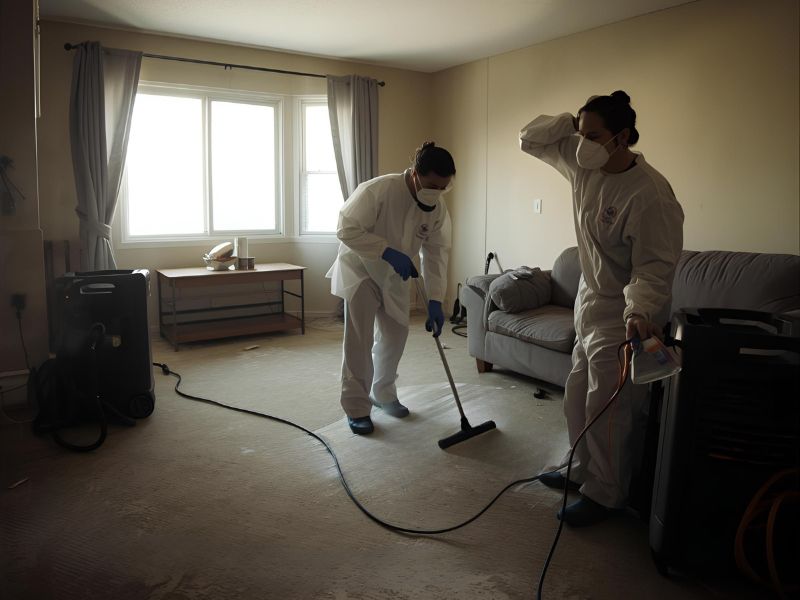
Professional equipment includes negative air machines, air scrubbers, and specialized vacuum systems designed for biohazard material removal. These tools prevent cross-contamination while improving overall treatment effectiveness.
While essential oil cannot eliminate decomposition odours alone, specific oils like tea tree and eucalyptus have antimicrobial properties that can supplement professional treatments.
Create simmer pot solutions with cinnamon sticks and your favorite essential oil after primary decontamination is complete. These methods help establish pleasant scent in treated areas but should never be used to mask unresolved contamination.
White vinegar naturally neutralizes odors and can supplement professional cleaning protocols. Fill spray bottle containers with vinegar solutions for ongoing maintenance after primary treatment.
Place one cup of white vinegar in various locations for continued odour absorption. The acidic environment helps break down alkaline decomposition compounds.
All contaminated materials require proper disposal through licensed waste management companies. Contaminated wet laundry, dirty laundry, and other fabric items cannot be cleaned and must be disposed of as biohazard waste.
Garbage disposal of contaminated materials violates health regulations and can spread contamination. Professional disposal ensures compliance with environmental and health standards.
Professional cleaning includes verification that odour elimination is complete. This involves both sensory evaluation and sometimes chemical testing to confirm that volatile organic compounds have been eliminated.
Room smell testing should be conducted after all treatments are complete and the space has been properly ventilated. Any remaining unpleasant smells indicate incomplete decontamination requiring additional treatment.
Monitor treated areas for any return of musty smells or other odours that might indicate incomplete decontamination. Maintain proper ventilation and indoor air quality to prevent future contamination.
Regular inspection of the affected area ensures that all contamination has been eliminated and no health risks remain for future occupants.
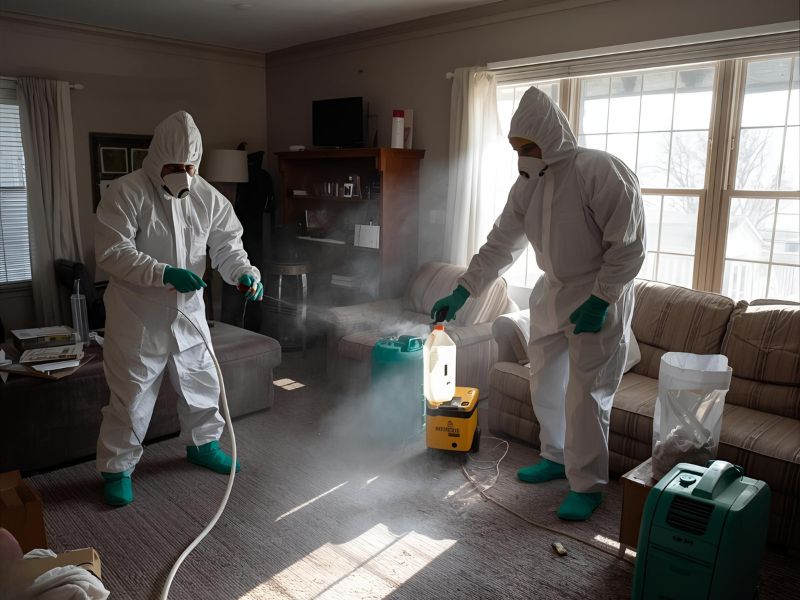
Decomposition odours exceed the capabilities of household cleaning methods and require professional intervention. Attempting to address serious biohazard contamination with natural methods alone can create health risks and leave dangerous contamination unresolved.
The breeding ground conditions created by biological contamination can lead to mold growth, bacterial proliferation, and other secondary contamination that compounds the original problem.
Exposure to decomposition odours can indicate exposure to harmful bacteria and other pathogens. Professional cleaning ensures proper protection for workers and future occupants.
Legal requirements often mandate professional biohazard remediation for insurance claims and property transfers. Documentation of proper cleaning becomes essential for liability protection.
Crime Scene Cleaner Courses UK provides comprehensive training in advanced odour removal techniques, safety protocols, and proper use of specialized equipment. Our biohazard cleaning training and crime scene cleanup courses cover both natural supplementary methods and professional-grade treatments necessary for complete decontamination.
Understanding the science behind decomposition odours and mastering the techniques to eliminate them safely represents essential knowledge for anyone entering the biohazard remediation field. Natural methods play a supporting role in comprehensive treatment protocols, but cannot replace professional expertise and equipment.
For situations requiring professional decomposition odour removal services or comprehensive training in advanced biohazard cleaning techniques, contact Crime Scene Cleaner Courses UK for a free quote and consultation on your specific training or service needs.