
call now on:
0333 567 2369
For biohazard cleanup work, you need comprehensive insurance coverage including Public Liability Insurance (minimum £1-6 million), Employers' Liability Insurance (if you have staff), Professional Indemnity Insurance, Pollution Liability Insurance, and specialised coverage for handling hazardous materials. Many insurance companies offer bundled policies specifically designed for trauma and crime scene cleaners to ensure full protection against the unique risks in this industry.
Biohazard cleanup is classified as one of the most high-risk service industries, with liability claims often averaging £15,000–£40,000 per incident when accidents occur. Understanding the specific insurance requirements for this specialised field is crucial for protecting your business and meeting legal obligations.
Public Liability Insurance forms the foundation of protection for any biohazard cleanup company. This coverage protects your business when third parties suffer injury or property damage due to your cleanup activities. The minimum coverage we recommend is £1 million, though many professional biohazard cleanup companies carry £6 million or more given the potential severity of claims.
When working at crime scenes or trauma sites, the risk of accidental damage to client property or contamination of adjacent areas is significant. Insurance companies recognise biohazard cleanup as "specialised environmental services," which means premiums are usually 20–40% higher than general cleaning businesses due to these elevated risks.
Your public liability coverage should specifically include protection against claims arising from the improper handling of biohazardous materials, cross-contamination incidents, and damage caused during the cleaning process. Standard cleaning policies often exclude work involving bodily fluids and potentially infectious materials, making specialist coverage essential.
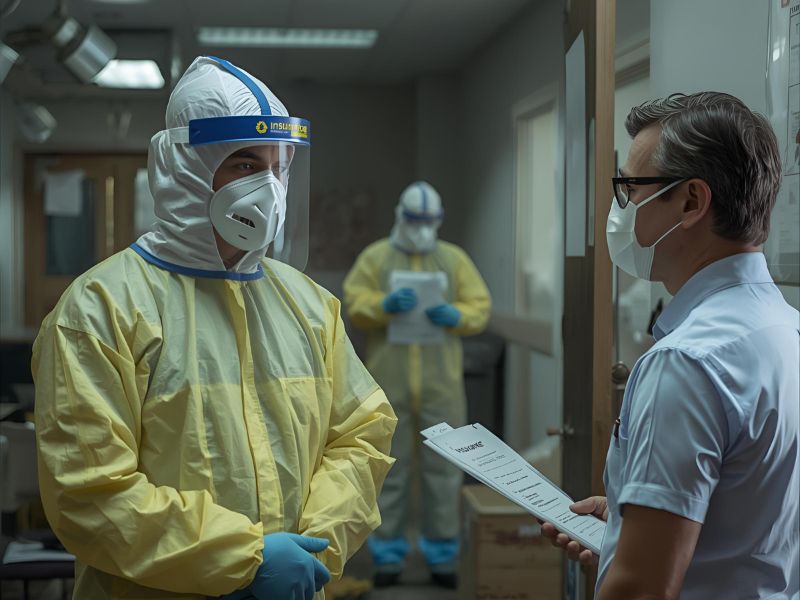
If you employ staff for your biohazard cleanup operations, Employers' Liability Insurance is not just recommended but legally required in the UK. This insurance policy protects you against claims from employees who suffer injury or illness while working with hazardous materials.
Workers in the biohazard industry are statistically 3–4 times more likely to face an injury claim compared to regular cleaning staff due to exposure to sharps, contaminated waste, and hazardous chemicals. The legal requirement mandates minimum coverage of £5 million, with fines of up to £2,500 per day for non-compliance.
Your employers' liability coverage must specifically address the unique health risks associated with biohazard situations, including exposure to bloodborne pathogens, chemical burns from cleaning agents, and respiratory issues from airborne contaminants. Standard employers' liability policies may exclude high-risk activities, so specialist coverage is often necessary.
Professional Indemnity Insurance protects your biohazard cleanup company against claims of professional negligence or failure to meet industry standards. This coverage becomes crucial when clients allege that improper cleaning procedures led to ongoing contamination or health risks.
Professional indemnity claims in biohazard work are rising, especially when incorrect disposal of medical or hazardous waste leads to regulatory penalties or public health risks. Coverage typically ranges from £250,000 to £1 million, depending on the size of your operations and client base.
The policy should cover legal costs and compensation payments if clients claim your cleaning methods failed to eliminate health risks or if regulatory agencies impose fines due to non-compliance with safety regulations. This insurance is particularly important given the serious consequences of inadequate biohazard remediation.
Pollution Liability Insurance provides specialised protection for environmental contamination risks inherent in biohazard cleanup work. This coverage addresses situations where cleanup activities might spread contamination or where improper disposal creates environmental hazards.
Specialist biohazard cleanup insurance typically includes pollution liability cover, since cleanup jobs can involve bloodborne pathogens, chemical residues, or animal waste that can contaminate surfaces and soil. This coverage protects against cleanup costs for environmental damage and third-party claims from affected parties.
The policy should cover both sudden and gradual pollution events, as some biohazardous materials can cause long-term environmental impact if not properly contained and disposed of. Coverage limits typically range from £1 million to £10 million depending on the scope of your operations.
If you operate from commercial premises, your insurance coverage must account for the specific risks of storing biohazard cleanup equipment and potentially contaminated materials. Standard commercial property insurance often excludes coverage for specialised equipment used in hazardous waste handling.
Your commercial property insurance should cover the replacement cost of specialised equipment such as negative air machines, HEPA filtration systems, and personal protective equipment. The policy should also address business interruption costs if your premises become contaminated during storage or equipment preparation.
Consider the financial burden of replacing expensive biohazard cleanup equipment if a fire or theft occurs. Comprehensive coverage ensures your business can continue operating without significant delays or out-of-pocket expenses.
Standard business vehicle insurance policies typically exclude coverage for transporting hazardous materials, including biohazardous waste. If your cleanup operations involve transporting contaminated materials to disposal facilities, you need specialised vehicle coverage.
One often overlooked area is vehicle insurance for transporting hazardous waste. A standard business vehicle policy usually will not cover this activity unless you specifically declare it to your insurance provider. This coverage should include protection against spills during transport and liability for cleanup costs if an accident occurs.
Your vehicle insurance should cover the additional costs of cleaning and decontaminating vehicles exposed to biohazardous materials, as well as liability for environmental damage if a transport accident causes contamination.
Not all insurance companies understand the unique requirements of biohazard cleanup operations. Look for insurance providers who specialise in environmental services or have specific experience with trauma cleaning and hazardous waste handling businesses.
Some insurers offer bundled policies that include public liability, employers' liability, pollution liability, and professional indemnity specifically for trauma and crime scene cleaners. While these comprehensive packages often come at a higher premium, they simplify compliance and ensure you have complete coverage.
When evaluating different insurance companies, ask about their claims process and experience handling biohazard-related incidents. A reputable cleanup company needs an insurance provider who understands the urgency and complexity of cleanup situations and can respond quickly to claims.
Insurance policies for biohazard cleanup contain specific terms and conditions that differ significantly from standard business insurance. Review your policy details carefully to understand exactly what situations are covered and what exclusions apply.
Pay particular attention to coverage limits for different types of incidents. Some policies may have lower limits for pollution incidents compared to general liability claims. Ensure your coverage limits align with the potential costs of major incidents in your service area.
Your insurance agent should be able to explain how the policy responds to different biohazard scenarios and what steps you need to take to maintain coverage. Understanding these requirements before you need to make an insurance claim can prevent coverage disputes during stressful situations.
Biohazard cleanup companies must comply with numerous health and safety regulations governing the handling and disposal of hazardous materials. Your insurance coverage should support compliance with these regulations rather than creating additional complications.
Ensure your insurance policy covers the costs of regulatory compliance, including biohazard cleaning training, staff education requirements, and guidance on how to get certified in biohazard cleaning for proper handling of biohazardous materials. Some policies include coverage for legal costs if regulatory agencies investigate your cleanup procedures.
Working with local authorities and regulatory agencies requires documentation that you maintain appropriate insurance coverage. Your insurance provider should be able to supply certificates of insurance quickly when required for permits or contract applications.
The claims process for biohazard cleanup incidents often involves immediate response requirements that differ from standard business insurance claims. Your insurance company should have procedures for handling emergency situations and after-hours claims reporting.
When a traumatic event occurs, prompt action is essential to prevent further contamination and health risks. Your insurance policy should include provisions for emergency cleanup authorisation and immediate access to restoration funds without lengthy claim approval delays.
Understanding your insurance claim process before an incident occurs helps ensure smooth coordination between your cleanup operations and insurance coverage. This preparation can prevent delays that might expose you to additional liability or regulatory penalties.
The specific insurance requirements for your biohazard cleanup business depend on factors such as the types of cleanup services you provide, the geographic area you serve, and the size of your operations. A comprehensive risk assessment helps determine appropriate coverage levels, and it is one of the first steps when learning how to start a biohazard cleaning business.
Consider the financial assistance available through different policy structures. Some insurers offer payment plans that spread premium costs throughout the year, making comprehensive coverage more affordable for smaller biohazard cleanup companies.
Over 70% of small cleaning and restoration businesses that handle hazardous waste operate without the correct specialist insurance, leaving them exposed to claims they thought were covered. Ensuring you have proper coverage protects both your business assets and your ability to continue serving clients who need professional biohazard cleanup services.
Insurance costs for biohazard cleanup operations vary significantly based on coverage levels, business size, and risk factors. Budget for insurance premiums that reflect the specialised nature of your services rather than trying to reduce costs through inadequate coverage.
The entire process of securing appropriate insurance coverage requires careful evaluation of multiple factors and consultation with insurance agents familiar with biohazard cleanup requirements. Investing in comprehensive coverage protects your business from potentially devastating financial losses.
Professional biohazard cleanup companies typically invest 3–5% of their annual revenue in insurance premiums to maintain comprehensive coverage. This investment provides essential protection for both your business operations and the communities you serve.
Choosing the right insurance coverage for biohazard cleanup operations requires expertise in both insurance products and the specific risks of trauma cleaning work. Crime Scene Cleaner Courses UK provides comprehensive biohazard cleaning training that includes guidance on insurance requirements and industry best practices.
Our training programs help you understand not only the technical aspects of biohazard cleanup but also the business considerations including insurance requirements, regulatory compliance, and risk management. Contact Crime Scene Cleaner Courses UK for a free quote on training that prepares you for all aspects of professional biohazard cleanup operations.